Comparison
Moab and Slickrock Trail Specs for the Wrangler, Gladiator, Recon and Grand Cherokee Trailhawk
Ground clearance, approach and breakover angles, lockers and gearing for Jeep trail models, plus practical notes for slickrock, sand and desert washes.
By the West CDJR editors · Updated November 6, 2026 · 5 min read
Moab's slickrock, the sand washes outside Sedona and the rocky two-tracks of the Mojave all reward the same handful of vehicle traits. This comparison lines up what Jeep publishes for the Wrangler, Gladiator, electric Recon and Grand Cherokee Trailhawk, so you can see which numbers actually separate them.
Specs are for the 2027 model year, and prices are starting MSRPs before destination. Both change, and some figures depend on the tires and body style, so treat the ranges as a guide and check the build you plan to order.
The numbers side by side
| Model | Ground clearance | Approach / breakover / departure | Lockers and 4x4 system |
|---|---|---|---|
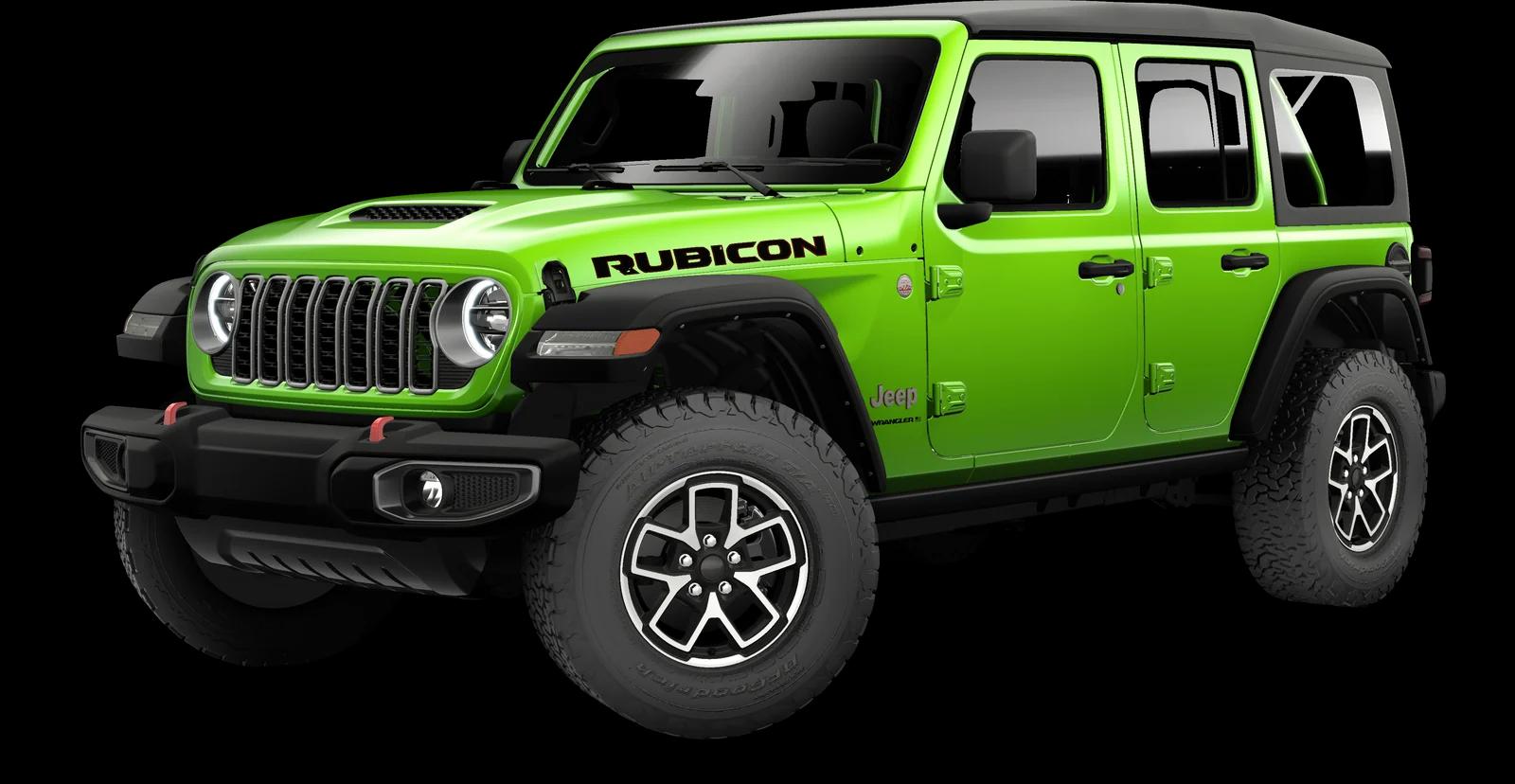
| Wrangler | 9.7 in (Sport) to 12.9 in (4-door Rubicon, LT315 tires) | 41.4-47.4 / 20.3-32.4 / 35.9-40.4 degrees | Rear on Willys; front and rear on Rubicon |
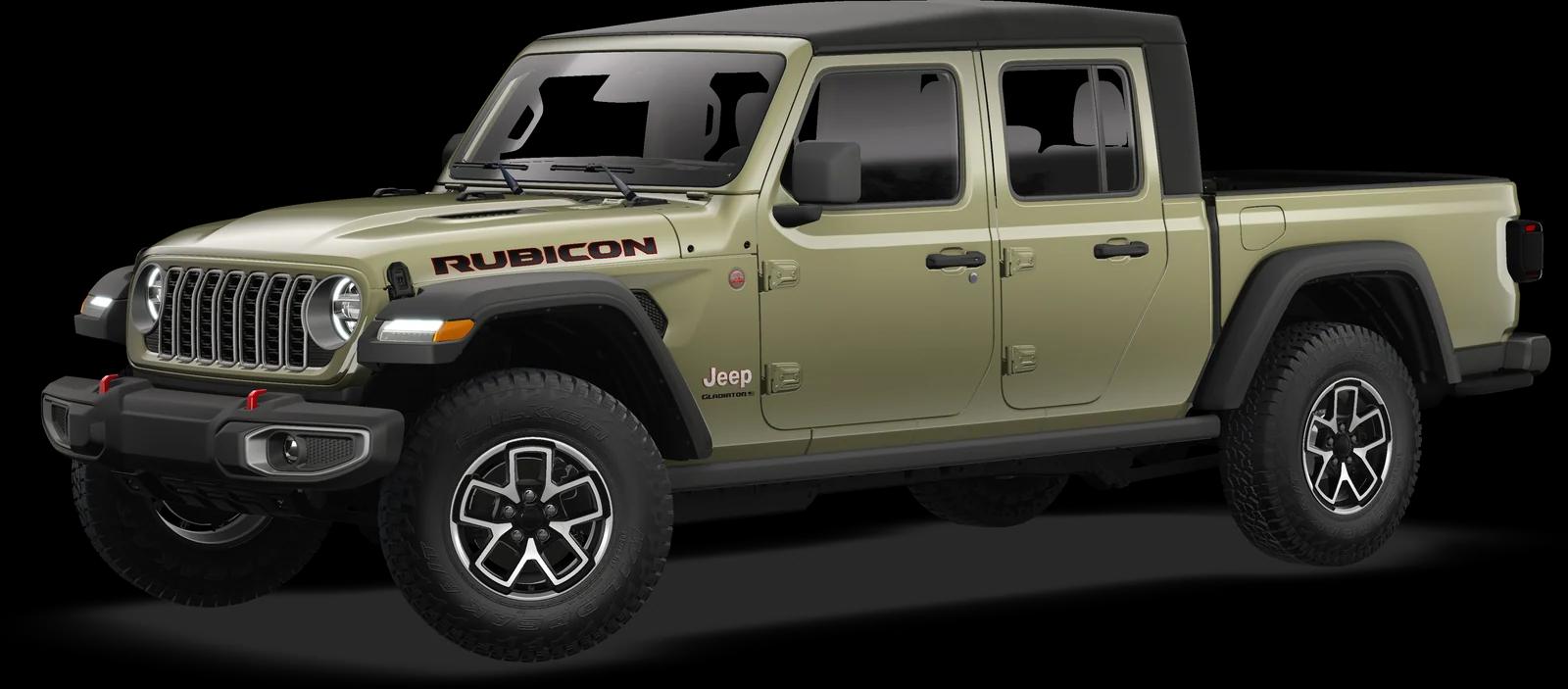
| Gladiator | 10 in (Sport, Willys) to 12.9 in (35-inch tire package) | 40.8-46.7 / 18.4-23.3 / 25-26.7 degrees | Rear on Willys and Mojave; front and rear on Rubicon |
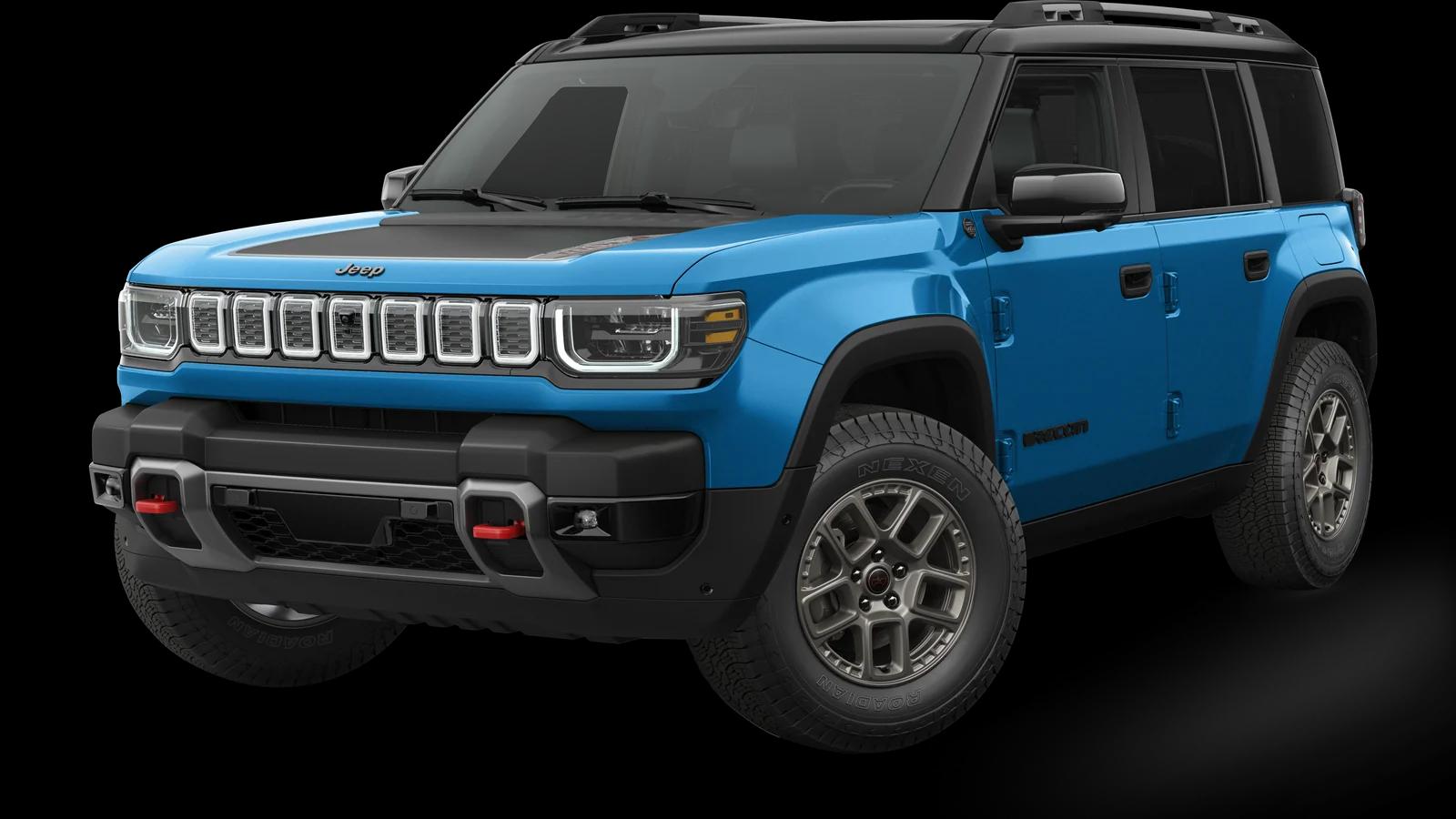
| Recon Moab | 9.1 in | 33.8 / 23.3 / 33.1 degrees | Electronic locking rear differential |
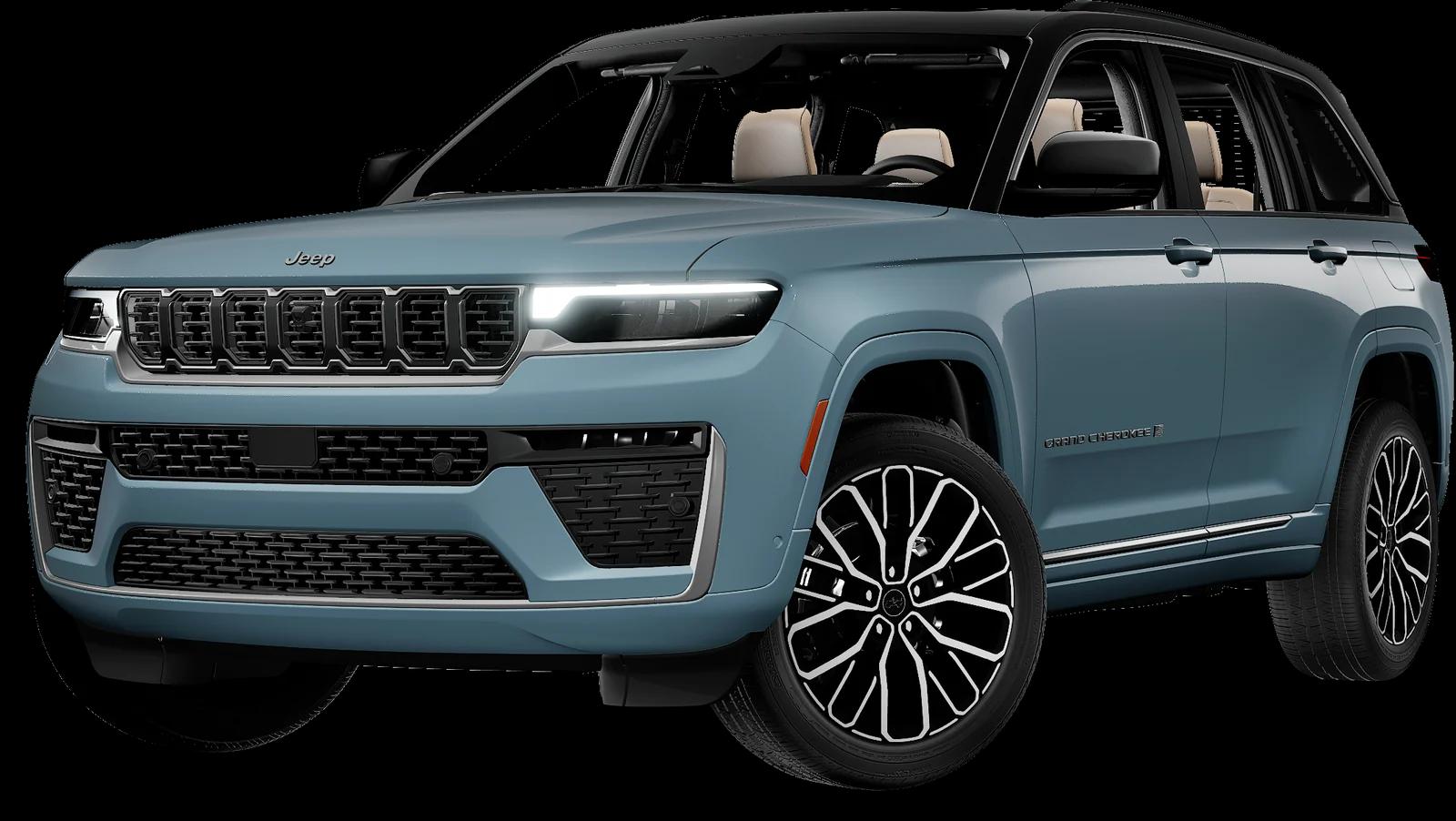
| Grand Cherokee Trailhawk | Up to 11.4 in (air suspension) | 36 / 24.4 / 30.3 degrees | Quadra-Drive II active 4x4 with 2.72:1 low range |
The Wrangler's range is wide because angles depend on tires and body style. Jeep publishes the low and high ends, and the high ends belong to specific tire and trim combinations. The Gladiator's 137.3-inch wheelbase is long, and a long wheelbase tends to cost breakover angle, which is why its figures sit lower than the Wrangler's on sharp crests.
Wrangler, the benchmark for rock
Most of the Wrangler's advantage sits in the Rubicon. It has Tru-Lok electronic locking front and rear differentials, an electronic sway-bar disconnect, a heavy-duty full-float rear axle (Dana 44 HD) and 33-inch off-road tires. Jeep's Rock-Trac transfer case has a 4.0:1 low range, and Jeep quotes a crawl ratio of up to 100:1 when properly equipped. The Rubicon starts at $47,130.
Step down and you give things up in order. The Willys at $43,230 keeps 33-inch off-road tires and a Tru-Lok electronic rear locker. The Sport and Sahara ride on 32-inch all-season tires, and Jeep lists 30 inches of fording depth for them against up to 34 inches for a Rubicon on LT315 tires.
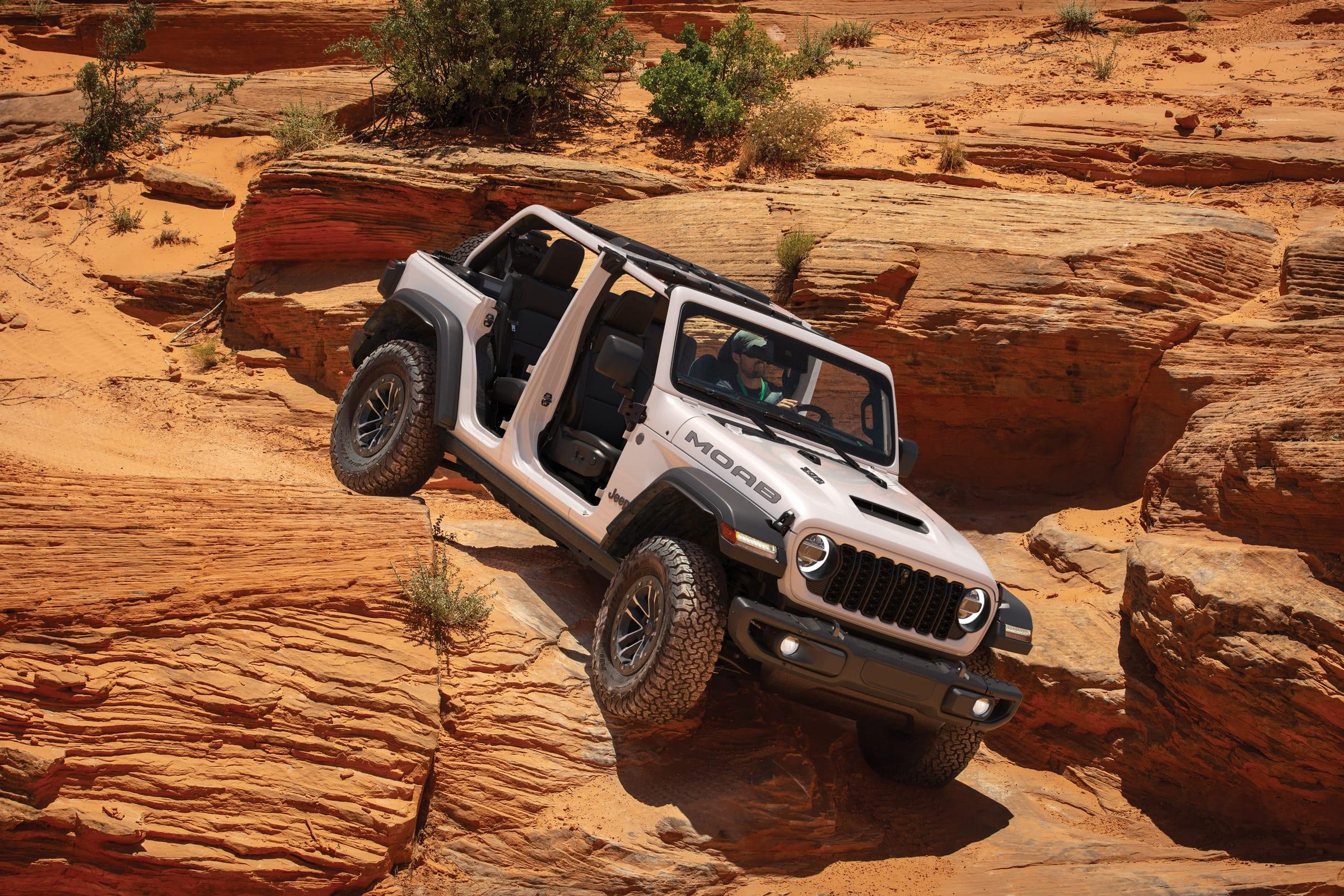
At the top, the Willys 392 ($70,995) and Moab 392 ($79,995) add the 470-hp 6.4-liter V8 and 35-inch all-terrain tires. The Moab 392 also has a front locker, the sway-bar disconnect and beadlock-capable wheels. That V8 is rated at 13/16/14 mpg and needs premium fuel, so it is a poor match for long, empty routes unless you plan fuel carefully.
Fuel planning applies to every Wrangler. The two-door carries a 17.5-gallon tank and the four-door 21.5 gallons, and in the four-door the 2.0-liter turbo is rated 20/22/21 mpg against 17/22/19 for the V6 automatic. Out here, the drive to a trailhead can be as long as the trail itself, so tank size and mileage count as much as lockers.
Gladiator Rubicon and Mojave
The Gladiator shares the Wrangler's front end and a lot of its hardware. The Rubicon ($55,700) has the same 4.0:1 Rock-Trac, front and rear lockers and electronic sway-bar disconnect, with a crawl ratio of up to 77:1 on the 4.10 axle. Jeep's figure with the 35-inch tire package and 4.56 axle works out to about 86:1, a number Jeep derives from the gear ratios.
The Mojave ($56,200) is the one built for open desert instead of rock. Jeep gives it FOX 2.5-inch internal bypass shocks with external reservoirs, front hydraulic jounce bumpers, a 1-inch front lift and a rear locker on 33-inch all-terrain tires. Those shocks are made for fast gravel roads, washboard and sandy washes, which is the terrain around Death Valley and the Mojave National Preserve. Jeep lists only a rear locker for it, not the Rubicon's front locker and sway-bar disconnect, so it is the wrong pick for slow rock crawling.
Whichever Gladiator you choose, its 3.6-liter V6 is the only engine for 2027, with a 22-gallon tank. Its published fording depth, 31.5 inches, comes from Jeep's 2026 release, the latest figure available.
Recon, the electric wildcard
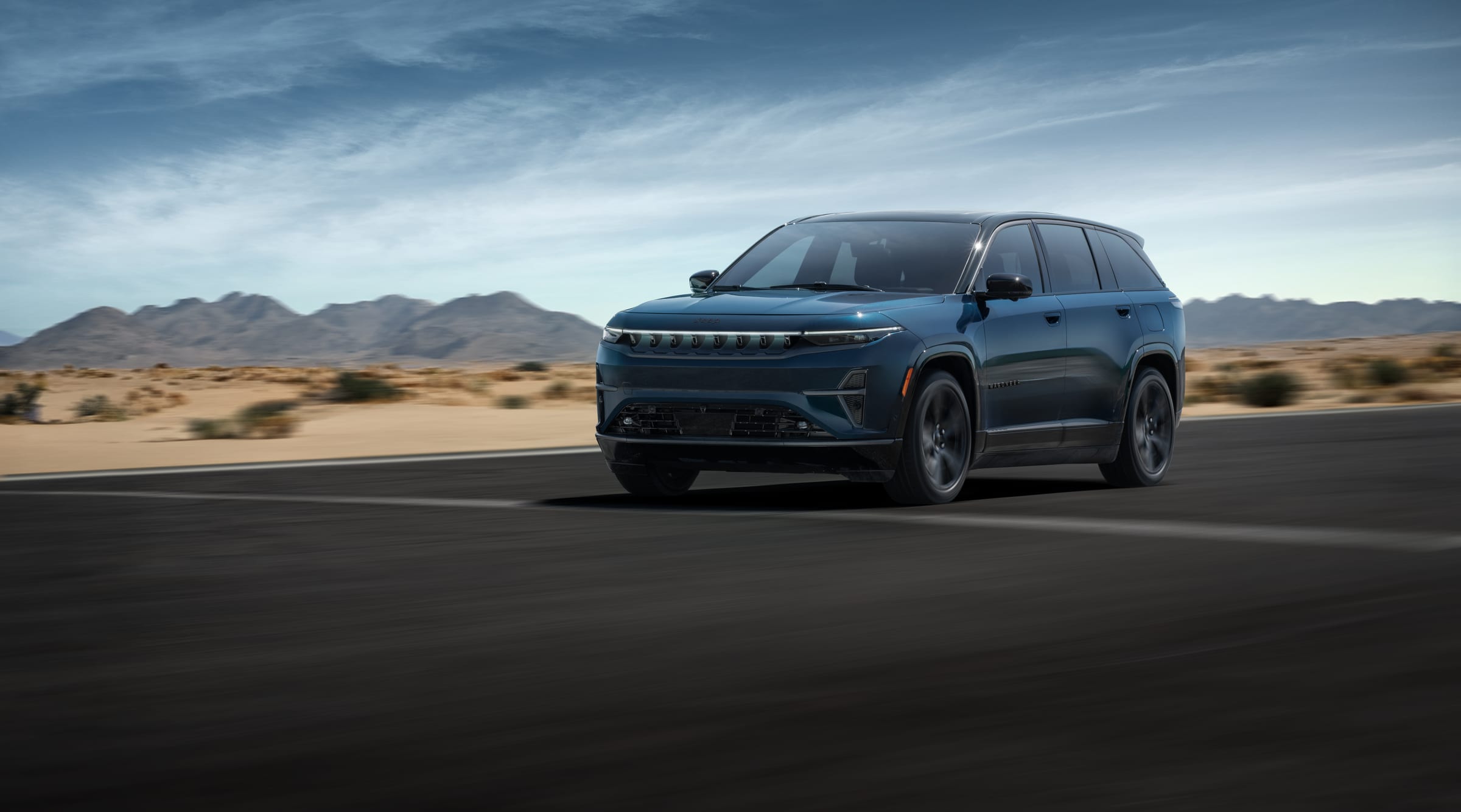
The Recon Moab is Jeep's first electric trail model. It has 670 hp and 620 lb-ft from two motors, an electronic locking rear differential and a rear drive module with a 15:1 final drive ratio. It rides on 265/70R18 all-terrain tires and offers Sand/Mud and Rock drive modes. Jeep rates its range at up to 222 miles, and it starts at $66,995.
Its 9.1 inches of clearance and approach angle of 33.8 degrees put it below a Rubicon, though not out of the conversation for well-graded trails. The practical limit is energy. Trailheads outside Moab are a long way from DC chargers, so plan a charged return trip with room to spare, and read the companion guide on electric range in the West.
Grand Cherokee Trailhawk
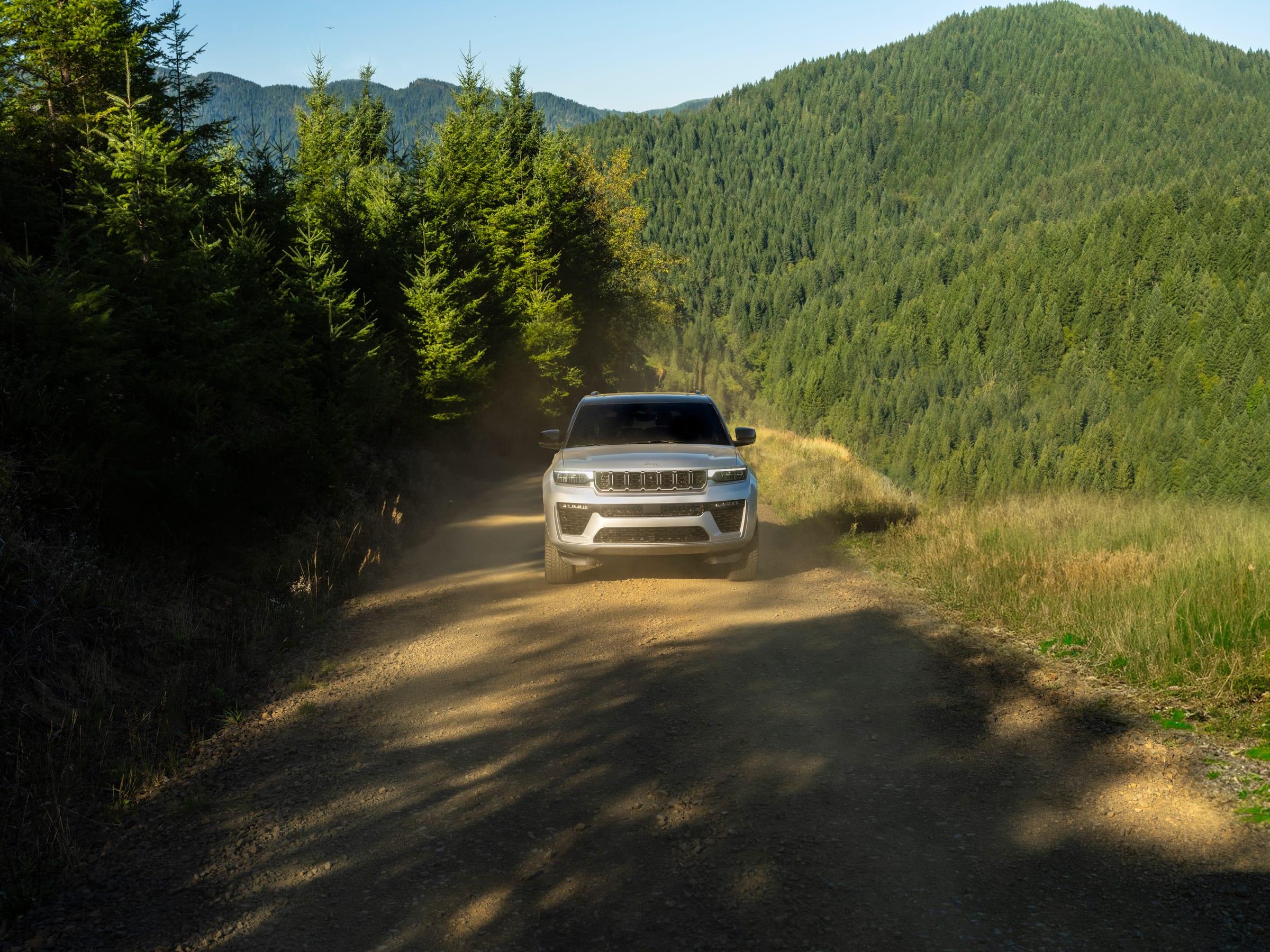
The Trailhawk is the comfortable option for dirt roads and moderate trails. Its Quadra-Lift air suspension raises the body to as much as 11.4 inches of clearance, and its Quadra-Drive II system includes a two-speed transfer case with a 2.72:1 low range, Selec-Terrain traction management and Selec-Speed Control. It has all-terrain tires, skid plates and front and rear tow hooks, and it starts at $53,625.
Against a Rubicon, the Trailhawk has no listed locking differentials and nothing like the 4.0:1 low range. What it offers is a quiet, plush ride on the highway drive between trailheads. For weekend visitors who never touch a ledge, that is a fair deal.
Practical notes for slickrock, sand and washes
Slickrock grips well when dry, which surprises first-timers, but it punishes mistakes on steep faces where a vehicle can slide sideways. Low range, slow throttle and a spotter matter more than any spec on this page.
On sand, lowering tire pressure widens the contact patch and helps float. Do it with a gauge, a compressor to air back up, and a plan to re-inflate before reaching pavement. The proper pressure depends on your tire, load and terrain, so follow your tire maker's guidance.
In the desert Southwest, a dry wash can become a flash flood during monsoon season, even under clear skies at your location. Fording depth figures refer to standing water, not moving runoff, and a rushing wash should always be treated as impassable.
Carry recovery gear before you need it: a rated strap, shackles, a shovel, a tire plug kit and plenty of water. Cell coverage is thin on many trails, so tell someone your route. Check with the land manager, whether BLM, a national park or a state agency, for current access rules and conditions.
Which one fits
Rock crawling at Moab points to the Wrangler or Gladiator Rubicon. Fast desert two-tracks favor the Mojave. A Grand Cherokee Trailhawk suits families who want light trails and a calmer commute. The Recon is for trail drivers who can live within its range. Compare the exact trims and tires on each model page before you decide, because those choices change the numbers more than the badge does.