Explainer
Electric Jeeps and Dodges for Western Distances, and the Hybrid Alternative
Listed range, charging times and what heat, cold, speed and grades do to range in the Wagoneer S, Recon, Charger Daytona, ProMaster EV and Cherokee.
By the West CDJR editors · Updated November 6, 2026 · 5 min read
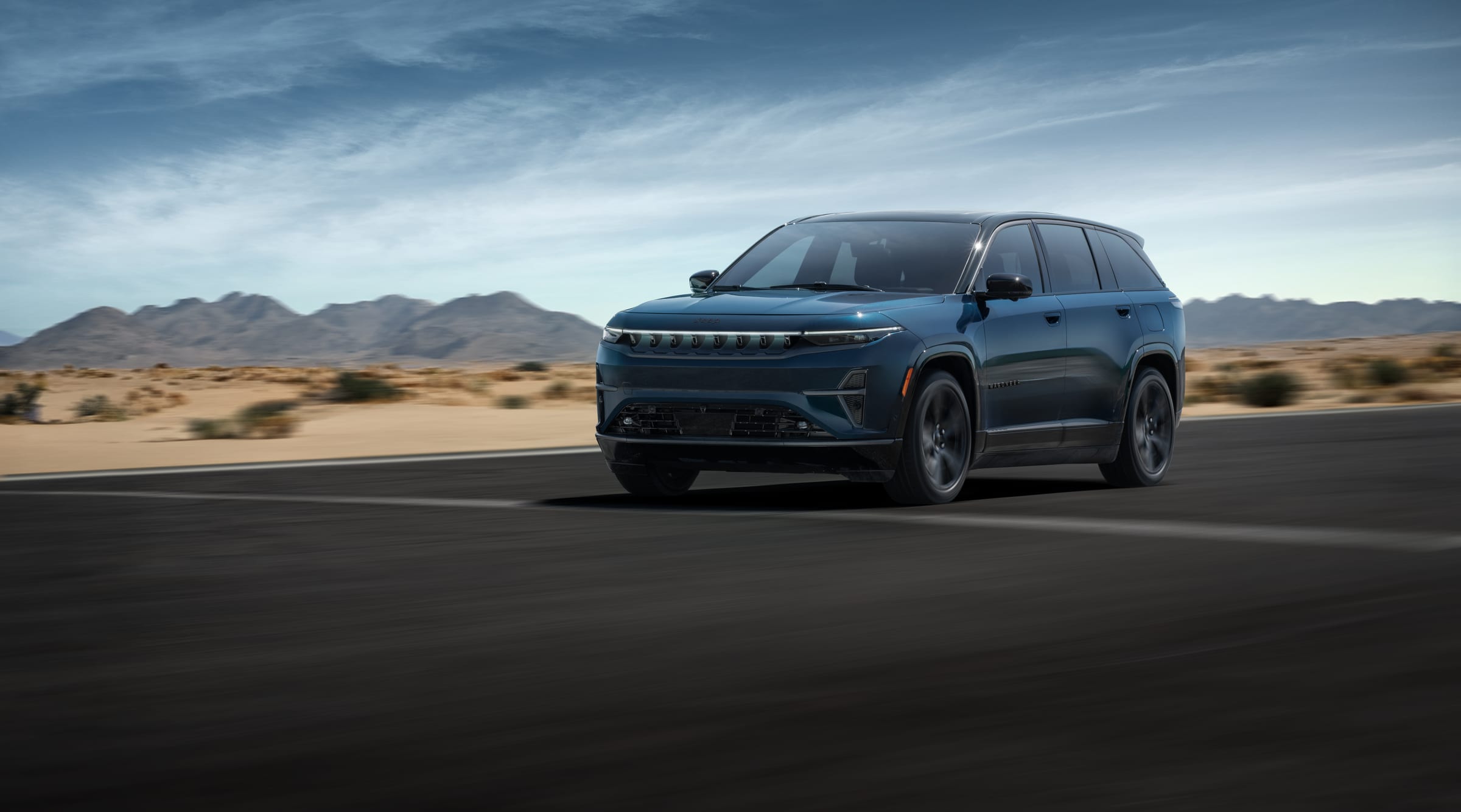
Electric driving in Los Angeles or the Bay Area is a different proposition from electric driving across Nevada. Metro areas in California, Seattle and Portland have charging in garages, shopping centers and along most freeways. Out on US-50 in Nevada, on I-40 across northern Arizona, on the long stretches of Montana and Wyoming, or on a desert crossing to a national park, the next plug can be a long way off. In Alaska, distance and winter cold both work against range.
Chrysler, Dodge, Jeep and Ram now sell several electrified vehicles that fit different parts of that picture. This guide covers the Jeep Wagoneer S and Recon, the Dodge Charger Daytona, the Ram ProMaster EV and the self-charging Jeep Cherokee hybrid, with attention to what range figures mean when the road is hot, high or windy. Figures are for the 2027 model year unless noted, and prices are starting MSRPs before destination.
The listed numbers
| Vehicle | Listed range | Fast-charge time as listed | Starting MSRP |
|---|---|---|---|
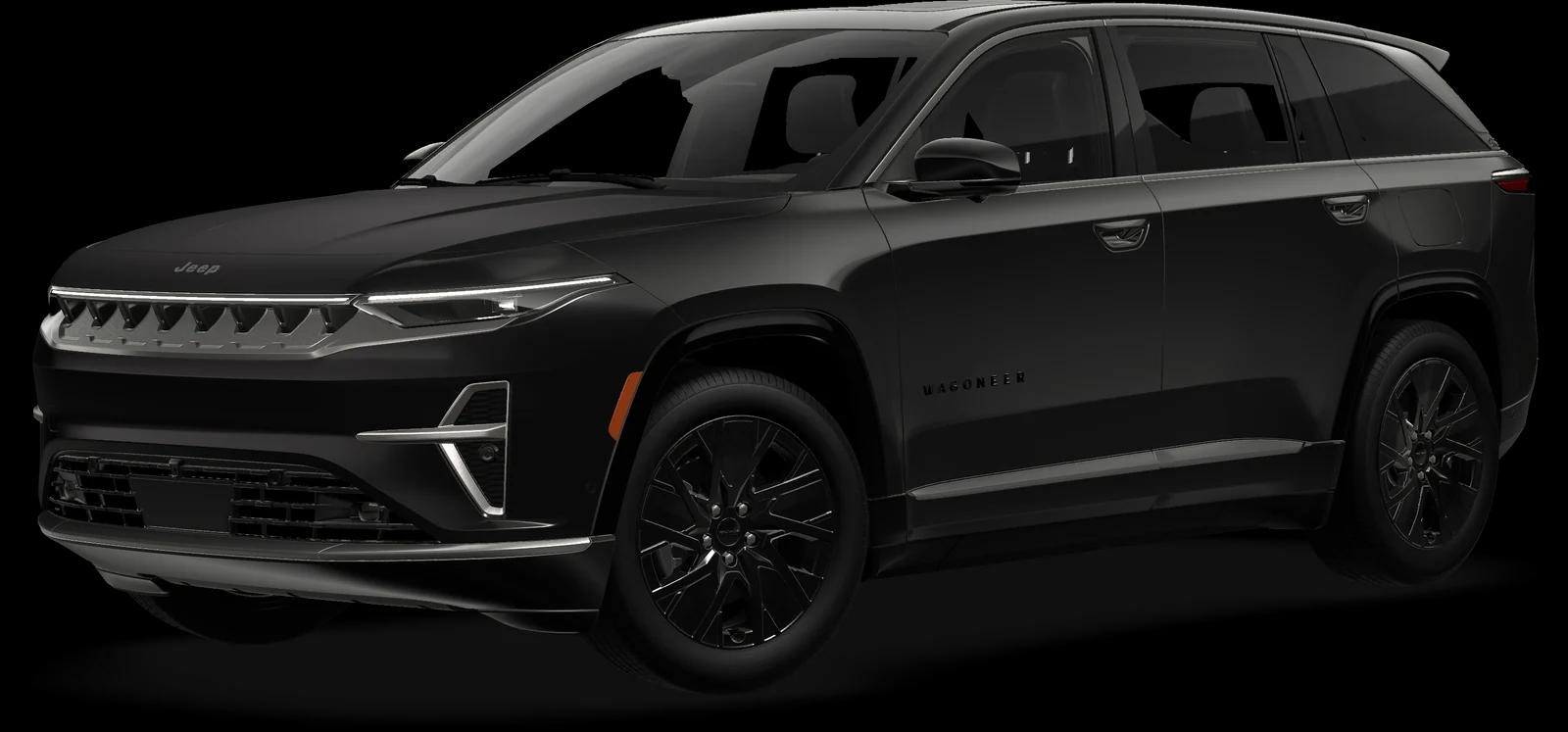
| Jeep Wagoneer S | 294 mi (EPA, standard tires) | 20-80% in about 23 min | $65,200 |
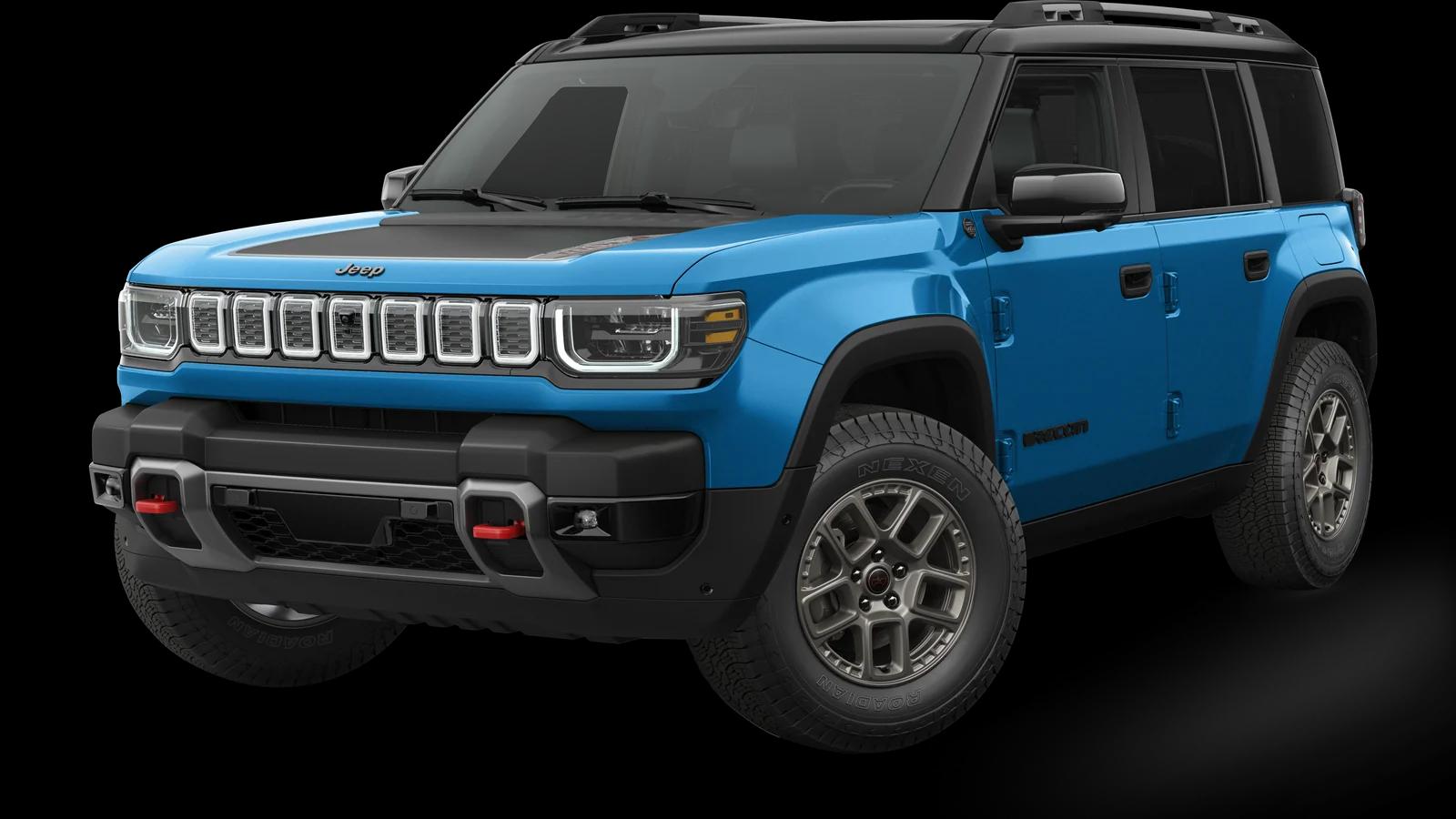
| Jeep Recon Moab | Up to 222 mi | 5-80% in about 28 min | $66,995 |
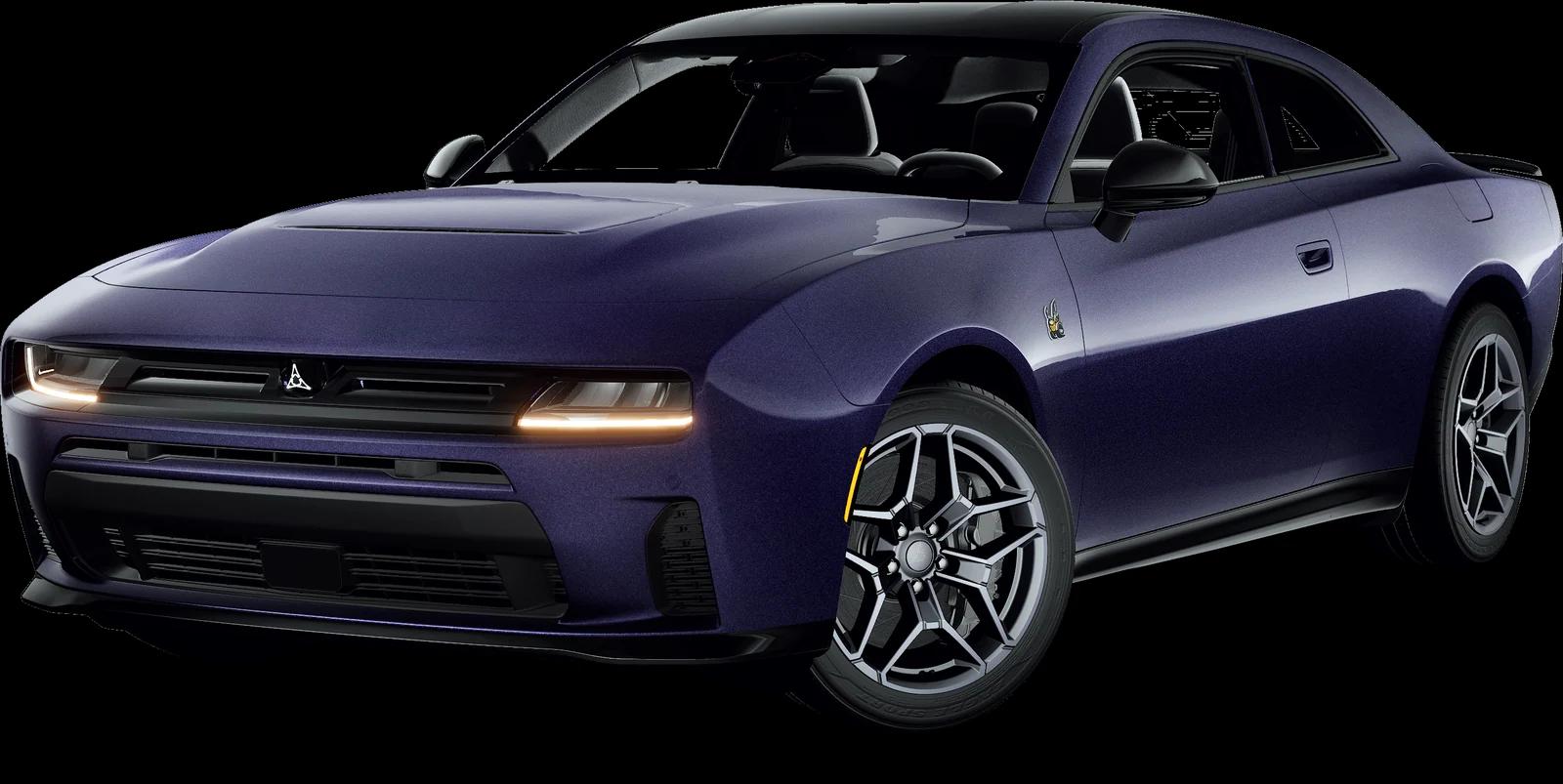
| Dodge Charger Daytona Scat Pack Plus | Up to 267 mi (231-267 by tire package) | 20-80% in about 27 min on a 350 kW charger | $77,490 |
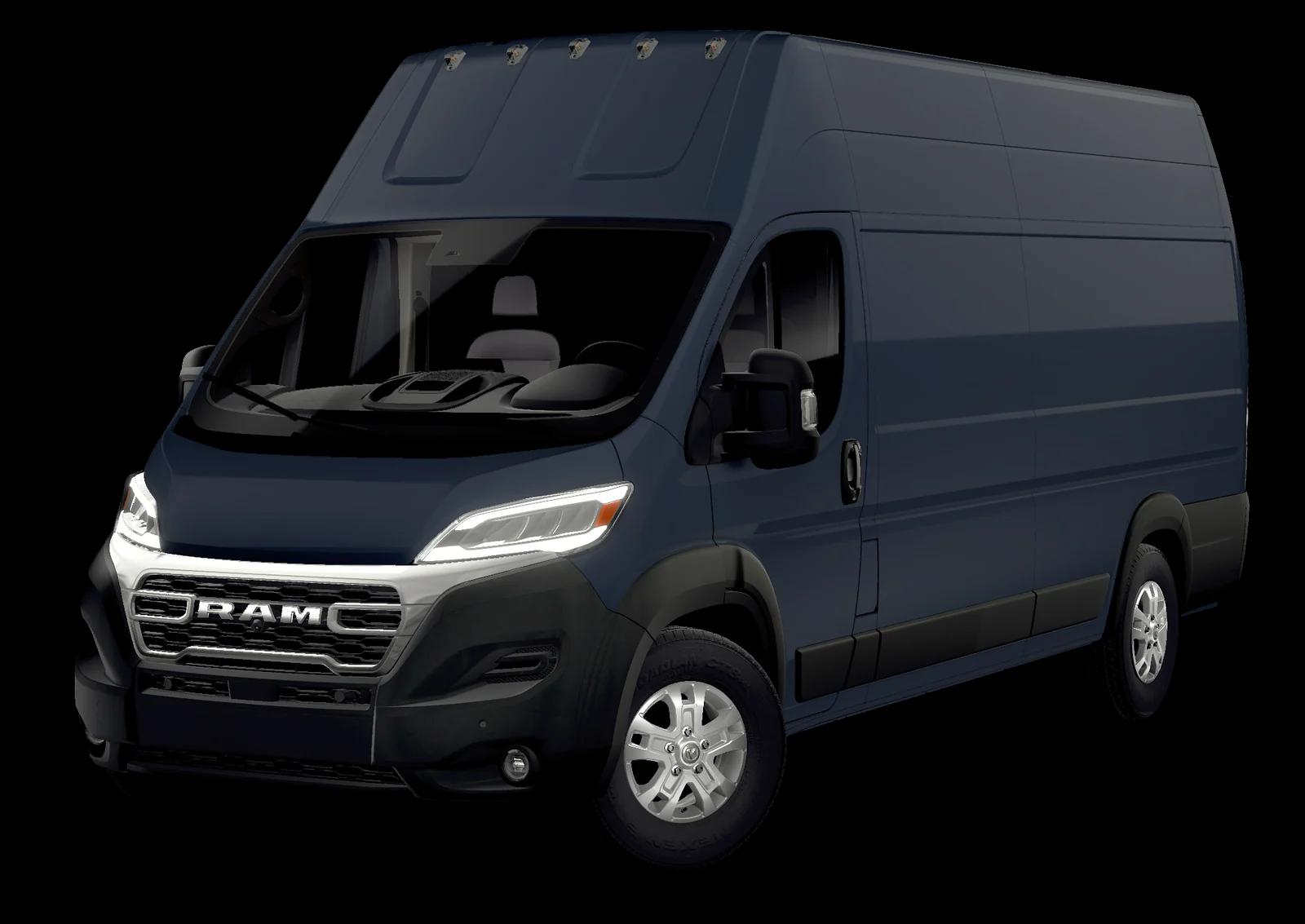
| Ram ProMaster EV | Up to 164 mi combined (cargo van) | Not published | See model page |
| Jeep Cherokee hybrid | More than 500 mi per tank (Jeep estimate) | No plug | $35,130 |
The Wagoneer S and Recon use 100.5-kWh batteries, and the Charger Daytona's is also 100.5 kWh in total, with 93.9 kWh usable. The ProMaster EV has a 110-kWh battery. Notice that the van carries the largest battery and has the shortest range. A boxy, heavy cargo van pushes through air with far more effort than a low sedan, and weight and shape matter more than battery size.
Range between charging stops
A listed range is not the distance you can drive between chargers, because most owners do not run a battery from 100 to zero. A more useful figure is the distance covered in the fast-charging window. Working from the listed numbers, here are rough estimates of my own arithmetic, assuming the quoted range holds across the window.
- Wagoneer S, 20-80%: about 176 miles.
- Recon Moab, 5-80%: about 166 miles.
- Charger Daytona (best tires), 20-80%: about 160 miles.
These are ideal-conditions estimates. Real-world numbers will be lower whenever the conditions below apply, so treat them as a ceiling and plan with margin.
What heat, cold, speed and elevation do
Heat. In a Phoenix or Las Vegas summer, the air conditioner runs constantly and the battery needs cooling too. Both draw power that would otherwise move the car. Parking in shade and pre-cooling the cabin while still plugged in are the two easiest ways to protect range.
Cold. Mountain towns in Colorado, Utah, Idaho and the Sierra see sub-freezing nights, and Alaska winters are harsher still. Cold batteries accept less power and deliver less energy, and the cabin heater is a large load. Expect shorter range and slower charging on a frozen morning, and use any preconditioning feature before you unplug.
Speed. Air resistance climbs faster than speed does. Many Western interstates carry high speed limits, and holding that pace costs noticeably more energy than cruising slower. The EPA's rating assumes a mix of driving, not sustained high-speed running, so a long interstate day will usually return less than the sticker suggests.
Elevation. Climbing a pass costs energy because you are lifting the car's weight. The descent returns some of it through regenerative braking, but not all. A route that gains thousands of feet before dropping to a basin will use more energy on the way up than it recovers. When the route ends higher than it began, plan for that difference. Towing adds more, which matters for the Wagoneer S, rated to tow 3,500 pounds, and the Recon at 3,300.
Sparse-charging routes
Long Western legs call for a different planning habit than city driving.
- Look at the charger gap before the trip, not during it. Note the longest stretch between fast chargers and compare it to a realistic, cautious figure for your vehicle.
- Prefer routes with several charging options. A single charger at a remote stop is a single point of failure if it is down.
- Keep a Level 2 fallback in mind. A Level 2 charger is slow (about 6 hours on the Wagoneer S and 6.8 hours on the Recon, per Jeep) but beats being stranded.
- Check each network's coverage and which connector your vehicle uses. The Charger Daytona has a native NACS port, so it can use Tesla Supercharger stations without an adapter. Confirm the connector on any other model before you rely on a particular network.
- Carry water and tell someone your route. Heat, not just range, is a safety factor in the desert.
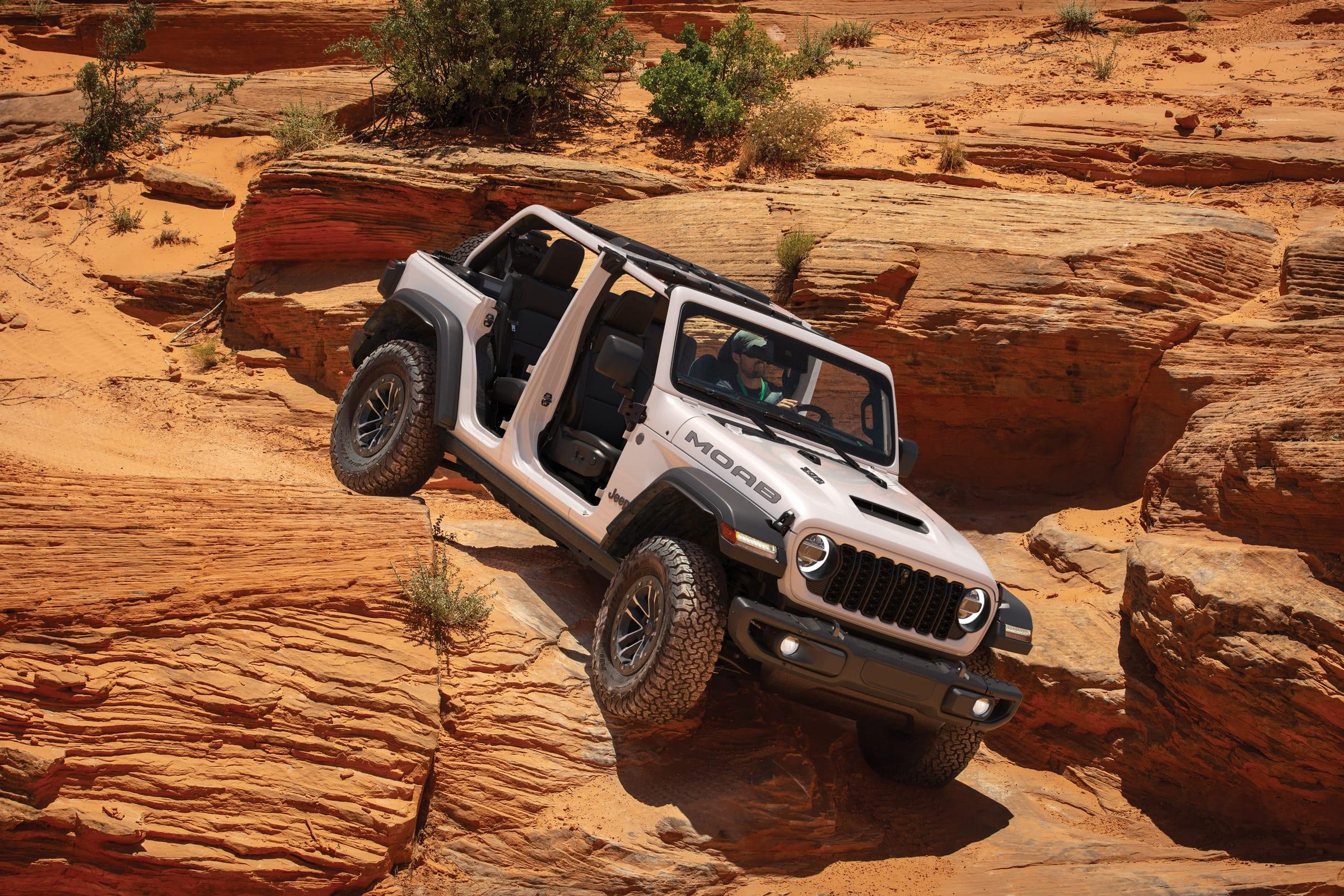
The Recon deserves a separate note. It is a trail vehicle, and many trails sit far from any charger. Treat its 222-mile figure as the total for the day, off-pavement driving included.
Where each one fits
The Wagoneer S is the most practical of the group for long trips. It has the best listed range, the shortest quoted 20-80% fast-charge time and seating for five. It also sits close to the ground at 6.4 inches, so it is a road vehicle first.
The Charger Daytona is the performance pick, with 670 hp using PowerShot, and its best tire package comes within about 27 miles of the Wagoneer S on listed range. Its range varies by tire package, from 231 to 267 miles, so the rear tire choice affects how far you can go.
The ProMaster EV is a fleet and delivery tool. Its 164-mile combined range suits city and regional routes that return to a depot, such as a Phoenix or Denver service van. The towing chart gives no trailer rating for the EV, and its payload is up to 3,170 pounds, so look elsewhere for a tow vehicle.
The Cherokee hybrid for no-plug travel
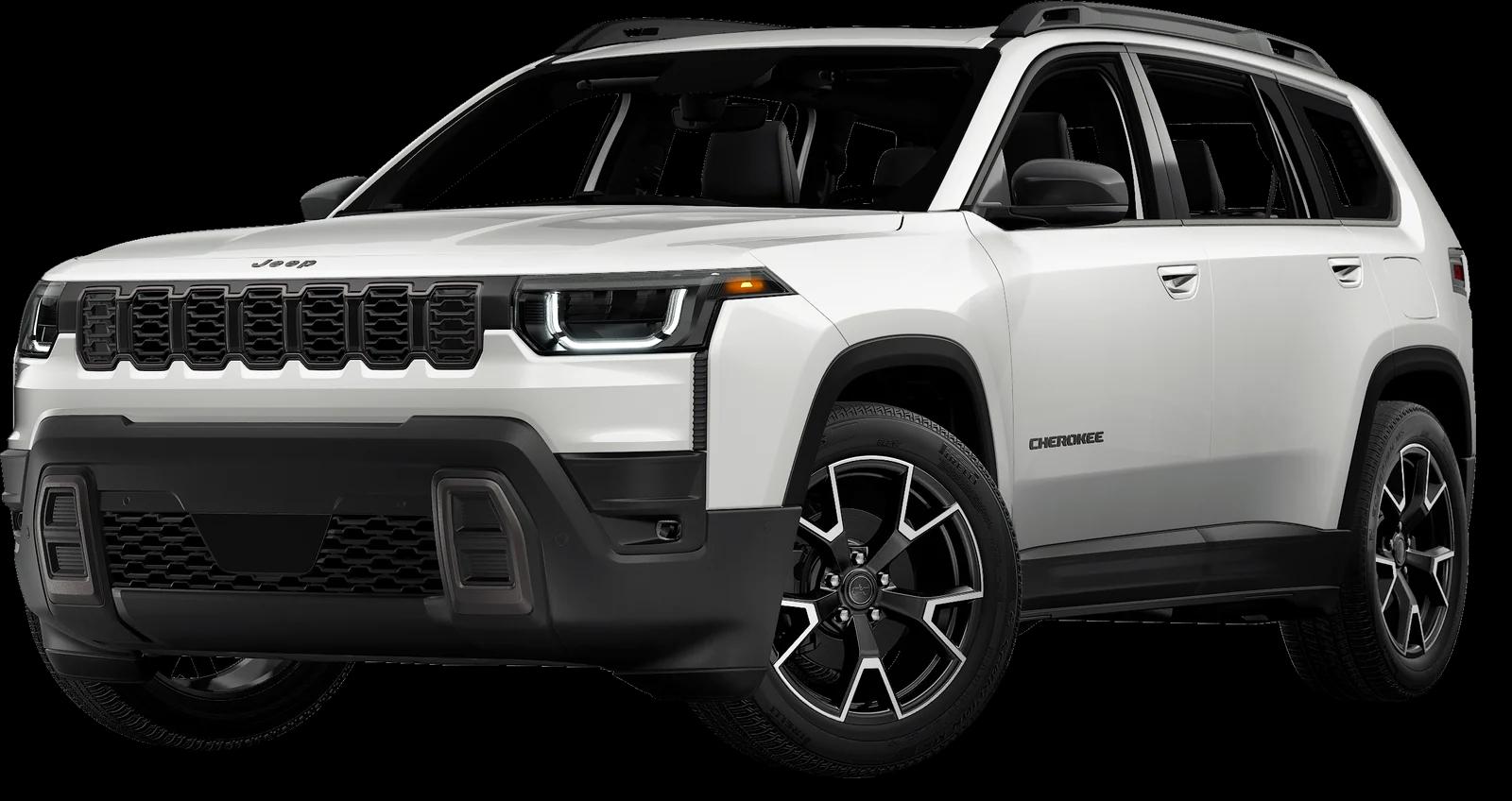
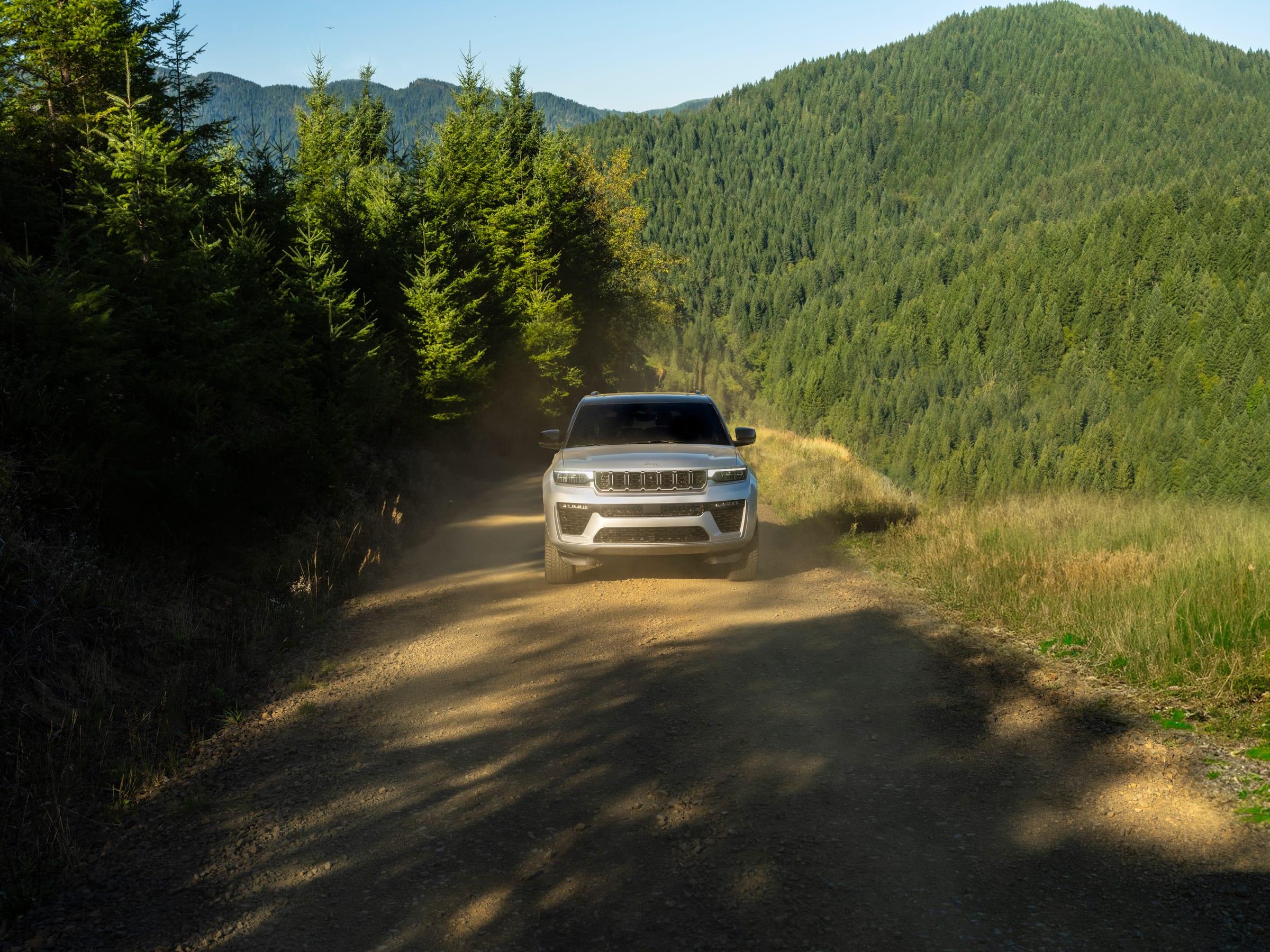
If long Western days worry you, a hybrid takes the question away. The Cherokee's 1.6-liter turbo four and electric motors make 210 hp combined, and its small 1.08-kWh battery charges by braking, so there is nothing to plug in. With a 13.7-gallon tank and Jeep's estimate of 37 mpg combined, a rough calculation puts the range at about 507 miles, which matches Jeep's claim of more than 500 miles. The Trailhawk is rated lower, at 31 mpg combined.
That is not an electric experience, but it handles a long gap between gas stations with a good margin. It also tows up to 3,500 pounds and has standard 4x4.
Choosing for your own map
Start from your longest regular trip, not your average one. If that trip crosses sparse country, give the hybrid a serious look. If your driving is mostly metro areas with an occasional road trip along a well-charged corridor, an electric model can work well. Whichever you pick, confirm range figures for your exact trim and tires, and check current pricing.