West guides · WA
Washington State Vehicle Guide: Cascade Passes, Rain-Soaked Seattle and Dry Eastern Roads
Washington is really two states divided by the Cascades: a wet, congested west side around Seattle, Tacoma and Vancouver, and a drier, colder east side around Spokane. Passes, ferries and EV-friendly commuting all shape what makes sense to buy. The sections below take the west side and east side in turn. Prices are starting MSRPs and change often.
Our picks for Washington
Snoqualmie, Stevens and the winter pass crossing
The Cascades are the state's defining obstacle. Interstate 90 over Snoqualmie Pass and US-2 over Stevens Pass link Seattle to the east side, and in winter both can bring snow, ice and closures. Avalanche control and spin-outs can shut a pass for hours, so a flexible schedule is part of the plan.
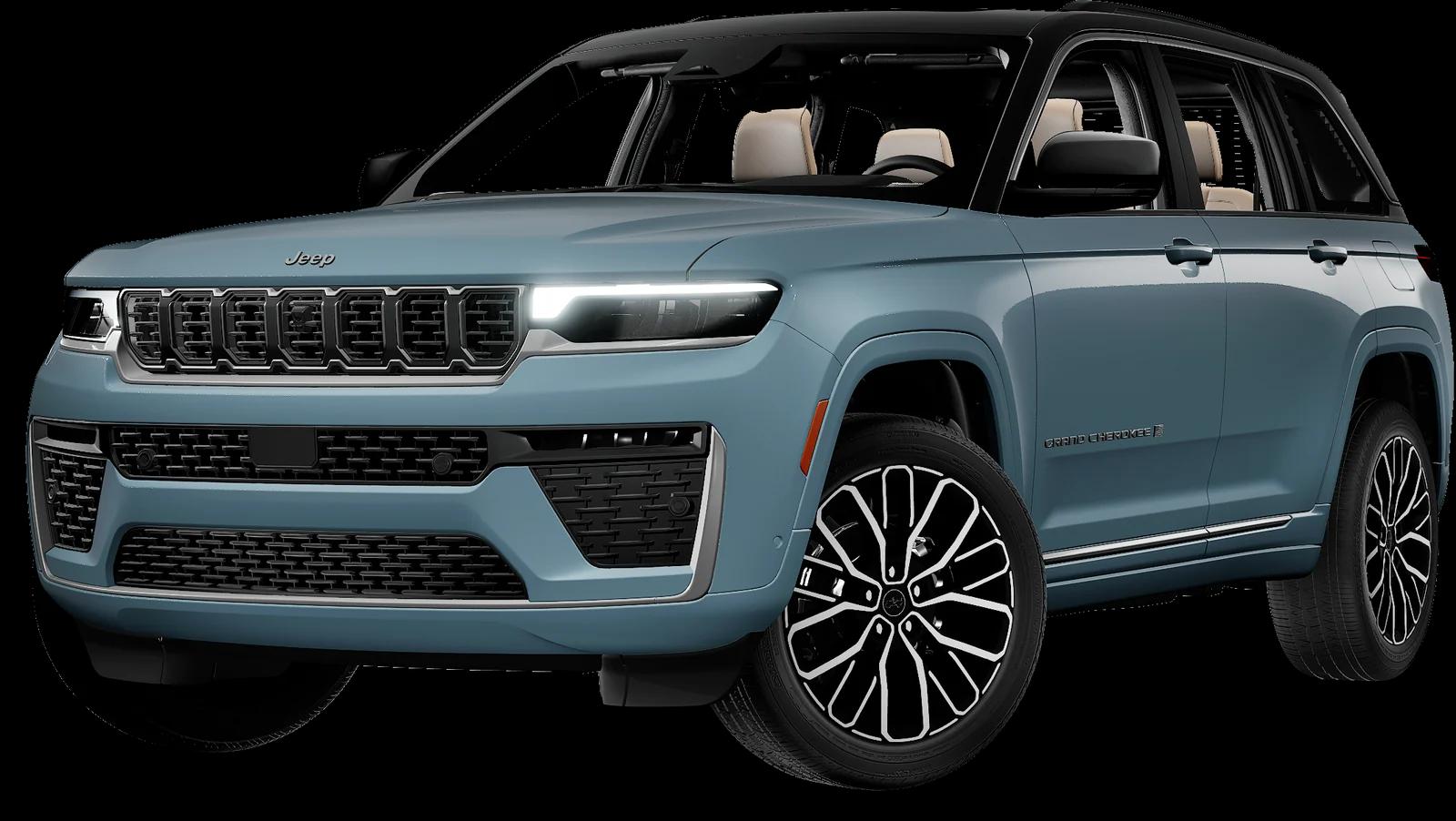
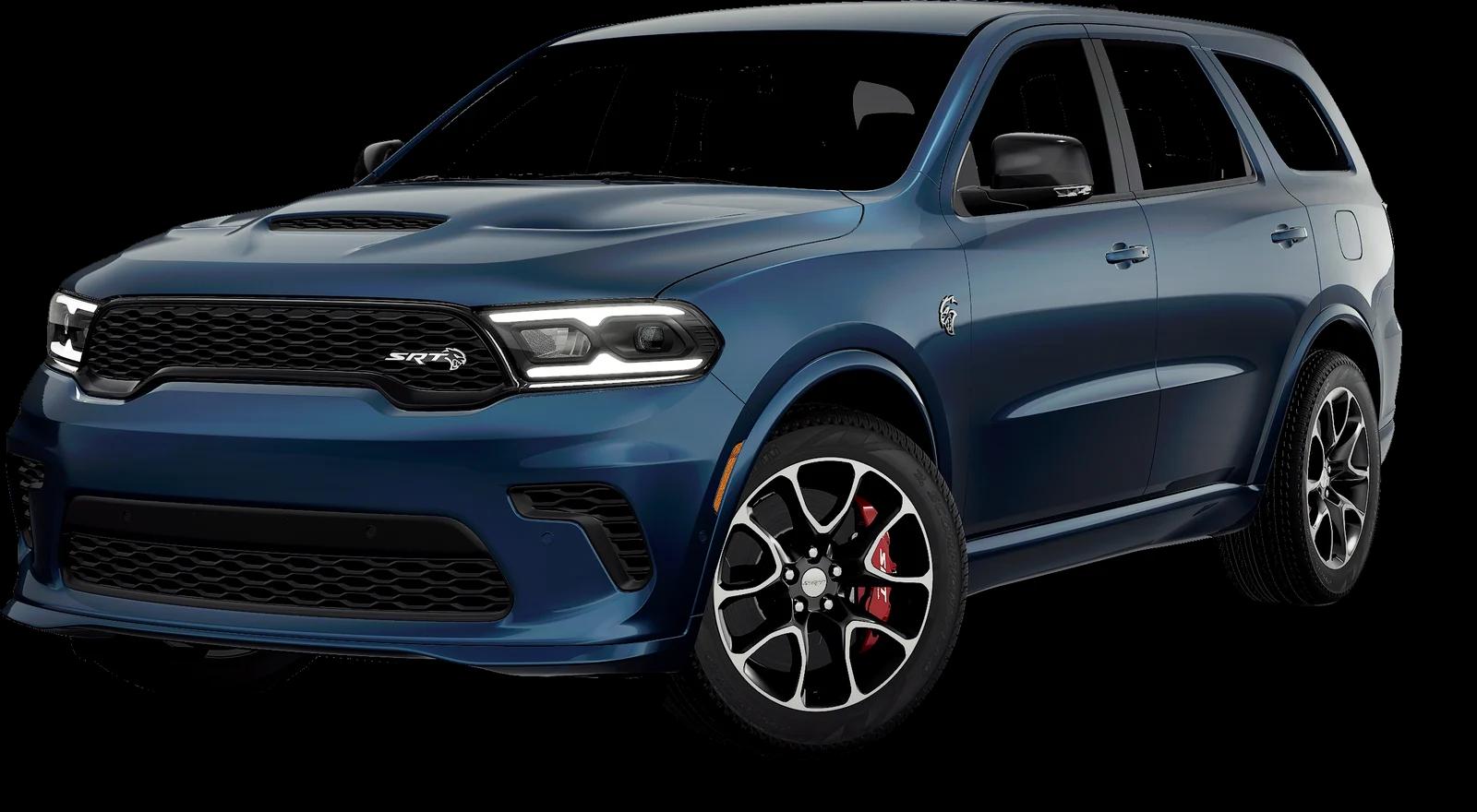
Four-wheel or all-wheel drive makes slow, slippery climbs feel more composed, though tires carry most of the load. The Dodge Durango, from $43,875, makes all-wheel drive standard. The Jeep Grand Cherokee starts at $39,730 and offers 4x4, and the Compass, from $29,990, includes four-wheel drive on every trim.
For anything involving traction devices, check the Washington State DOT pass reports and requirements on the day of travel, because they change with conditions. Carry blankets, water and a full tank or charge before you climb. If you cross the pass often, leave early, keep the tank above half, and expect to wait if a closure is announced.
Seattle traffic and the electric commute
Seattle, Tacoma and the I-5 corridor produce some of the slowest commutes in the West, and the region has a high share of electric vehicles. Stop-and-go driving is where an EV or hybrid is at its best.
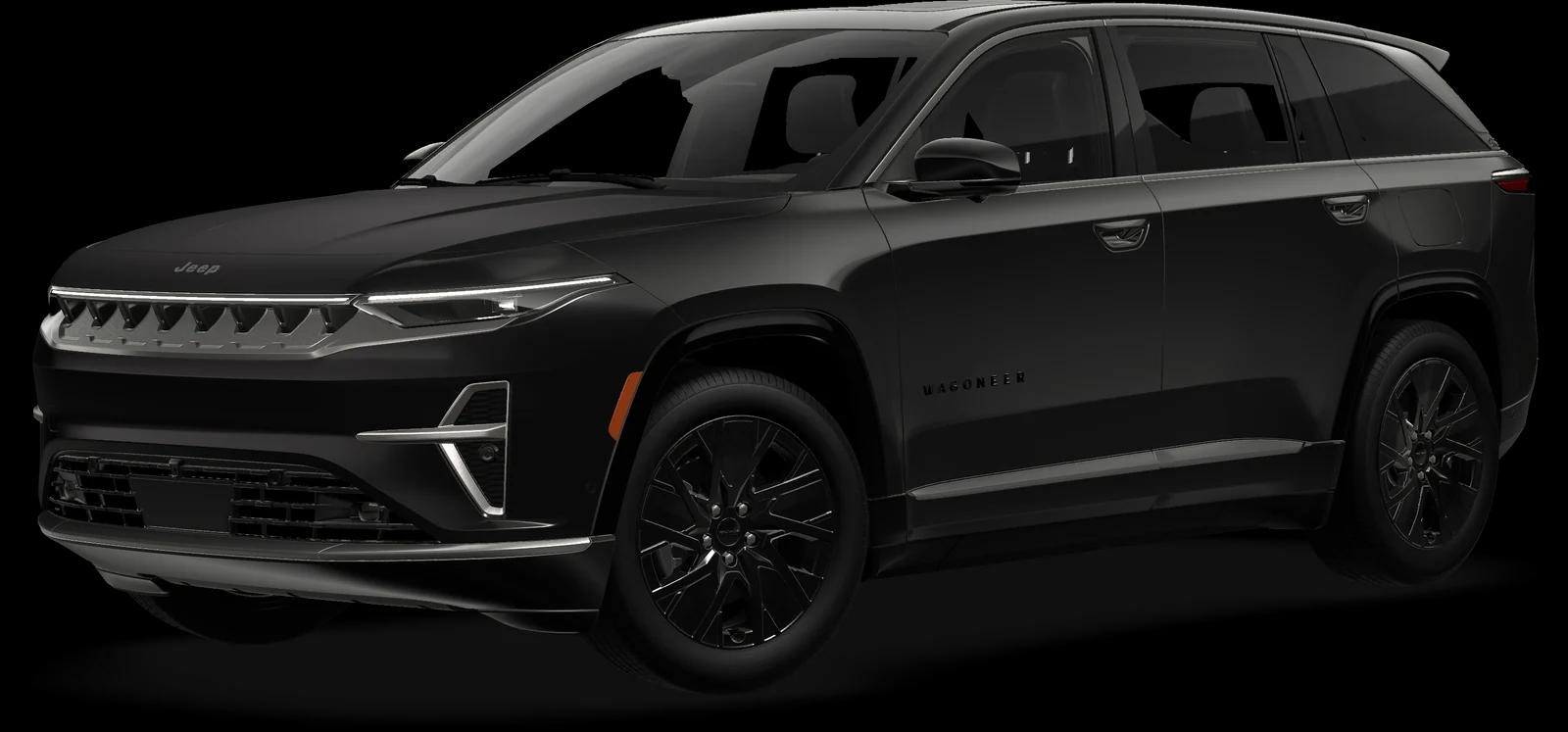
The Jeep Wagoneer S starts at $65,200 and Jeep lists an EPA range of up to 294 miles, with a 20 to 80 percent DC fast charge in about 23 minutes. The Dodge Charger Daytona Scat Pack Plus starts at $77,490 with a standard NACS port and up to 267 miles. If you do not want a plug, the Jeep Cherokee hybrid, from $35,130, is rated by Jeep at up to 37 mpg combined.
Apartment dwellers should ask about building charging before choosing an EV. The Jeep Recon, from $66,995, lists an estimated 222 miles and is more of a trail vehicle than a commuter.
Ferries, islands and the Puget Sound
Washington State Ferries and other operators connect Seattle, Bainbridge, Whidbey, Bremerton and the San Juan Islands, and a vehicle's dimensions can affect your fare and your place in line. Reservations, size categories and wait times differ by route, so check the ferry operator's published information before you buy something large.
Compact and midsize vehicles are easier to place on a deck and easier to park on island streets. The Compass lists up to 59.8 cubic feet of cargo, and the Cherokee up to 62.2. A big three-row like the Jeep Grand Wagoneer, from $65,000, lists 116.7 cubic feet in the standard body and is a larger vehicle to maneuver aboard.
Coastal drivers also deal with moisture year-round. Rinse the undercarriage after beach trips, and ask the dealer how the warranty treats corrosion. Parking space on island towns and in older Seattle neighborhoods is tight, so measure your garage before choosing a larger SUV. Compact vehicles also make ferry lines less stressful.
East of the Cascades: Spokane, ranches and wheat roads
Spokane, the Palouse and the Columbia Basin are drier, colder in winter and more spread out than the Puget Sound. Distances between towns are longer, gravel roads reach many farms and trailheads, and winter brings real cold and blowing snow.
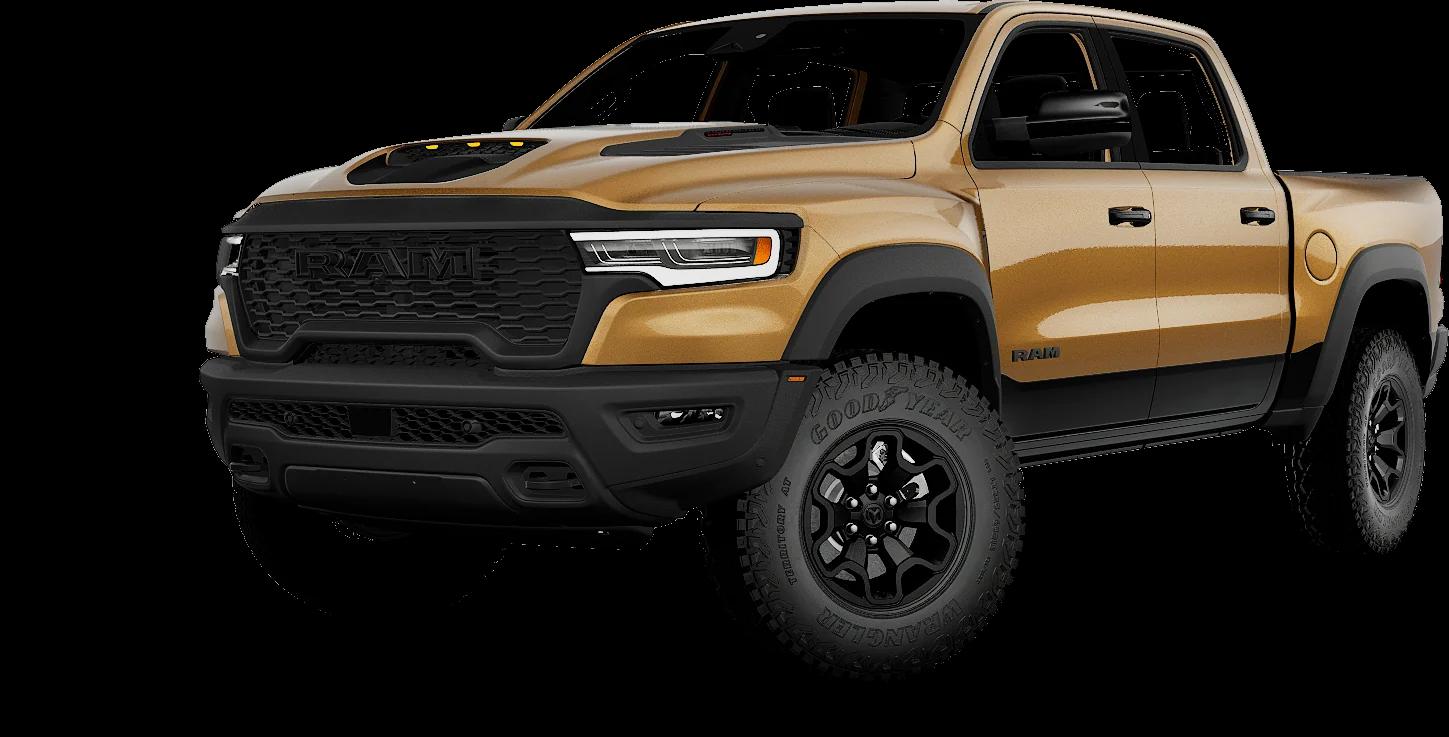
Pickups are a daily tool here. Ram prices the 1500 from $42,575; its best tow rating, 11,530 lbs, comes with the Hurricane inline-six. For heavy work, the Ram 2500 starts at $48,040, with up to 4,580 lbs of payload using the optional $835 package, while the Ram 3500 reaches up to 37,020 lbs of towing with the diesel. The Jeep Gladiator, from $43,895, is a lighter-duty pickup that tows up to 7,700 lbs.
For registration and plates, use the Washington Department of Licensing and confirm current requirements there, since they change. Winter tires are common here, and a block of cold mornings below freezing is normal in the Columbia Basin.
Washington buyer FAQ
Which vehicles suit Snoqualmie and Stevens Pass winters?
Anything with all-wheel or four-wheel drive and good winter tires is a sensible start. The Dodge Durango has AWD standard, the Compass has 4x4 on every trim, and the Grand Cherokee offers 4x4. Check WSDOT pass reports on the day for traction requirements, since conditions and rules change. Carry chains if the pass report calls for them.
Is an EV practical in Seattle?
Often yes, particularly for commuters with home or workplace charging. The Wagoneer S lists up to 294 miles of range and a 20 to 80 percent fast charge in about 23 minutes. The challenge is apartment parking, so confirm charging access before you buy. Public fast chargers can be busy on summer weekends, so a plan B helps. Home charging overnight is far more convenient than relying on public stations. Ask your utility about options.
Will a large SUV fit on Washington ferries?
Ferry operators charge and prioritize by vehicle size, and each route publishes its own limits. Midsize SUVs like the Grand Cherokee are easy to place, while the Grand Wagoneer is longer. Check the operator's current length and height categories before you buy, especially if you ride often. Length limits and fares vary, so verify them.
Where do I register a vehicle in Washington?
The Washington Department of Licensing handles titles, plates and registration, and your dealer usually helps with the paperwork at delivery. Fees and requirements change, so confirm current details on the DOL website rather than depending on a third-party summary. Keep copies of your purchase paperwork and any dealer-filed forms for your records. Ask what the dealer files for you and what you must handle yourself.
More West guides