West guides · AZ
Choosing a Jeep or Ram for Arizona's Triple-Digit Summers and Rim Country Trails
Arizona pulls a vehicle two ways at once: months of triple-digit heat around Phoenix, Tucson and Mesa, and real winter weather near Flagstaff. Below, each model is weighed on cabin cooling, tire choice, trail clearance and towing. Prices are manufacturer starting MSRPs, before destination, and they change often.
Our picks for Arizona
Summer heat is the daily test
In the Valley, the hard part of a vehicle's year is June through September, when a parked car turns into an oven and the air conditioning runs on every trip. That favors a few unglamorous features over horsepower: ventilated front seats, remote start so the cabin can cool before you climb in, and light-colored interiors that do not scald bare legs.
Ventilated seats are generally a higher-trim item across the lineup, so check the trim sheet rather than assuming. Tires and batteries also wear faster in sustained heat, which is a good reason to ask about battery and tire warranty terms before you buy.
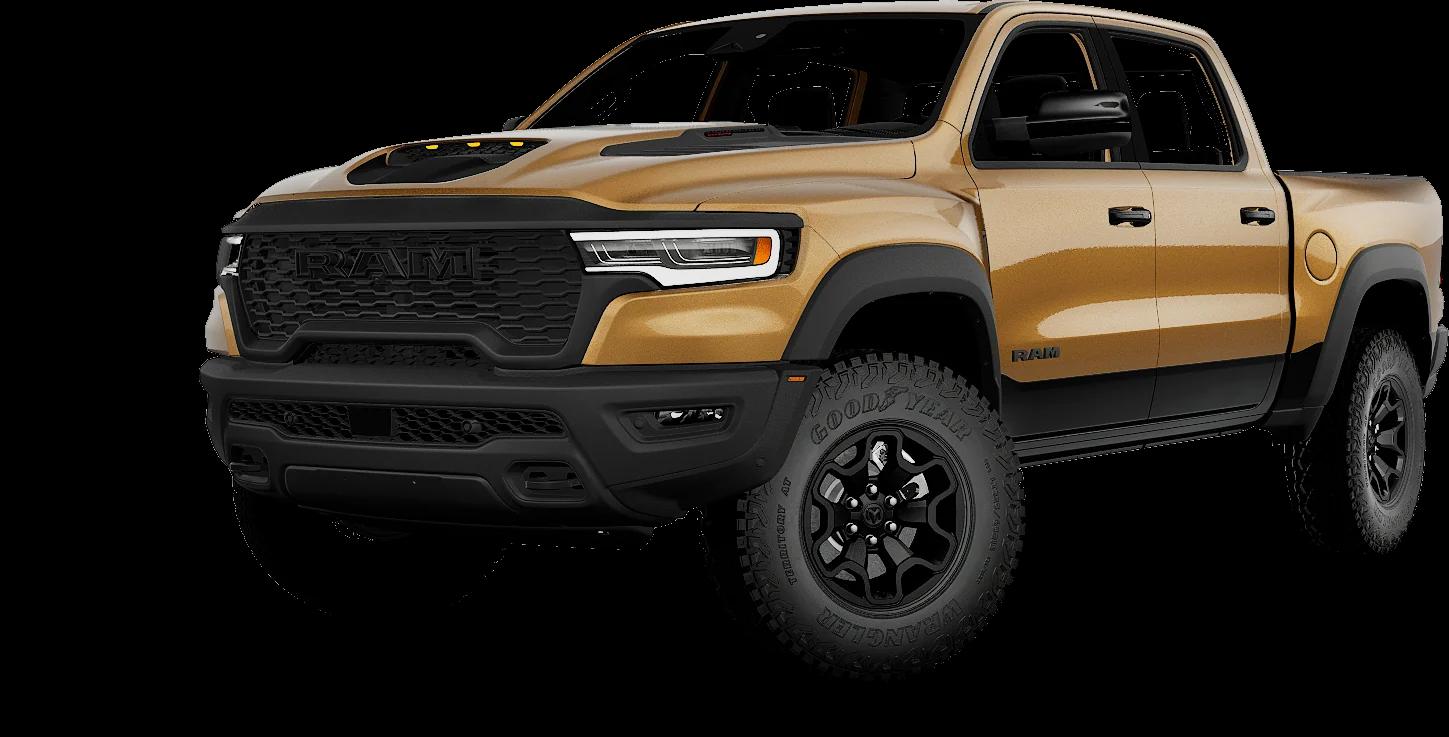
For towing, heat compounds the work. A rating is a ceiling, not a target. Ram lists the 1500 at up to 11,530 lbs with the 3.0-liter Hurricane twin-turbo six, but a family hauling a camper trailer out of Mesa in July should leave real margin. A three-quarter-ton truck like the Ram 2500 (up to 17,740 lbs with the HEMI, 20,000 lbs with the Cummins diesel) provides it, and it starts at $48,040.
Phoenix sprawl and the long errand loop
Phoenix, Mesa and the surrounding suburbs sit on a grid of wide arterials and freeways, and daily driving here is measured in 25- and 40-mile trips rather than short hops. Fuel economy and seat comfort matter more than they would in a compact city.
Families commonly look at three-row vehicles. The Chrysler Pacifica starts at $41,595 for the LX, seats seven or eight, and carries up to 140.5 cubic feet of cargo. Its 3.6-liter V6 makes 287 hp and is rated 19 city and 28 highway in front-wheel drive. All-wheel drive is offered on Select, Limited and Pinnacle, though most Valley driving never needs it. The Dodge Durango, from $43,875, makes all-wheel drive standard and tows 7,200 lbs, or 8,700 with the Tow 'n Go package, which suits boat and trailer owners.
If you commute long distances on the Loop 101 and I-10, the Jeep Cherokee hybrid deserves a look. Jeep estimates up to 37 mpg combined, and it starts at $35,130 with four-wheel drive.
Monsoon season and washed-out roads
From late June into September, afternoon storms can drop a lot of water fast, and a dry wash that looks harmless in May can run with a flash flood. Desert roads that are fine in the morning can be gone by the evening drive home.
The practical lessons are old and simple. Never drive into moving water, give yourself room on highways when visibility falls, and keep tires in good condition, because the first rain lifts oil and dust and makes pavement slick. Ground clearance and a 4x4 system do not make a flooded wash safe, but they do help on gravel forest roads that turn to mud.
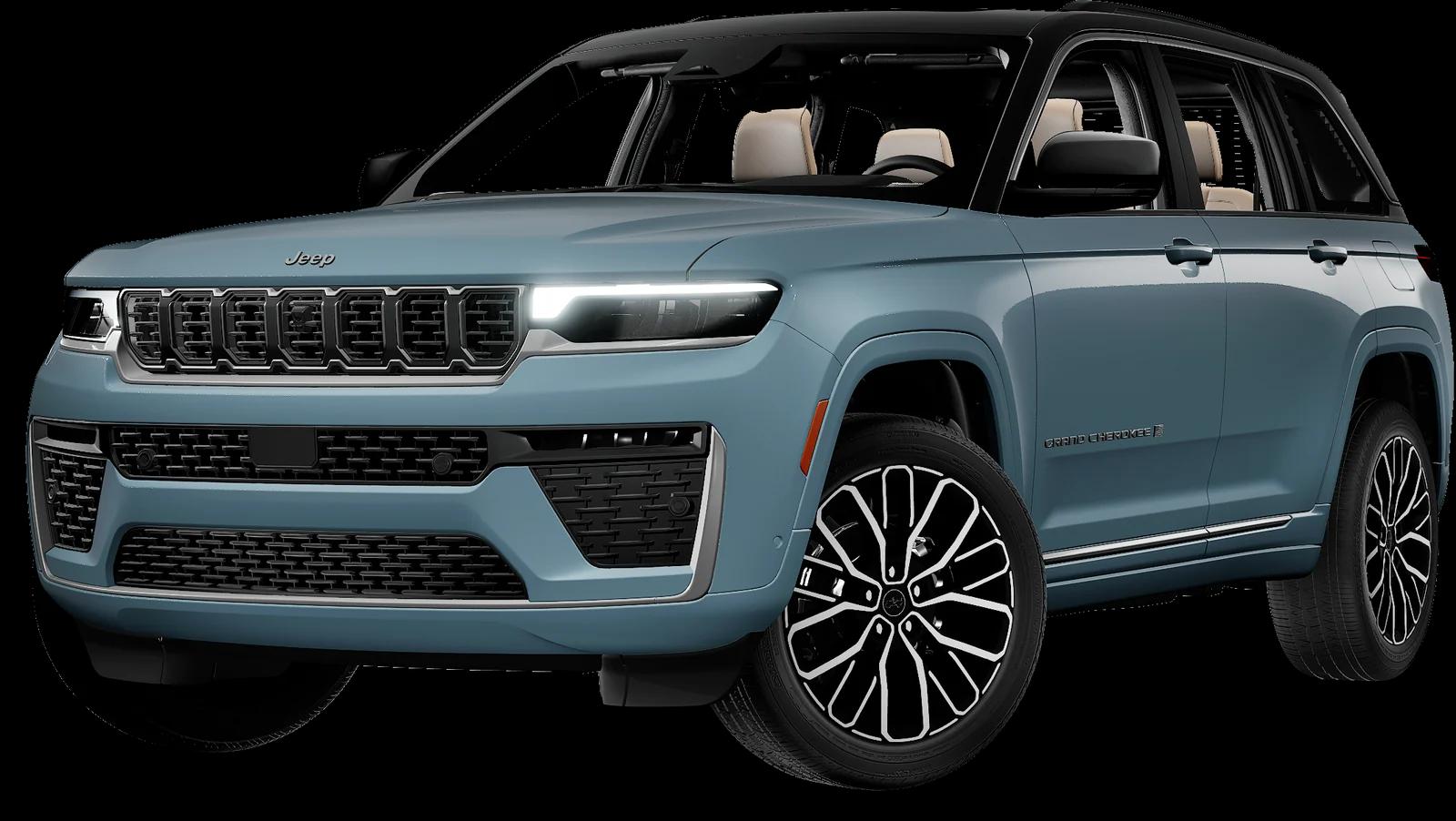
If you expect to drive unpaved roads regularly, clearance numbers are worth comparing. The Jeep Grand Cherokee is listed at up to 11.4 inches with its air suspension at the highest setting, and the Jeep Compass at up to 8.6 inches. For a daily driver that also reaches trailheads, either is more realistic than a lifted truck. Check Arizona DOT road-condition information before heading out on storm days.
Rim country, Flagstaff and Sedona trails
North of the Valley, the landscape changes fast. I-17 climbs from the desert up to Flagstaff, and the high country around the Mogollon Rim sees snow, ice and cold mornings that can surprise people who live near 1,100 feet. Four-wheel drive and good tires are worth having if you spend winter weekends up there.
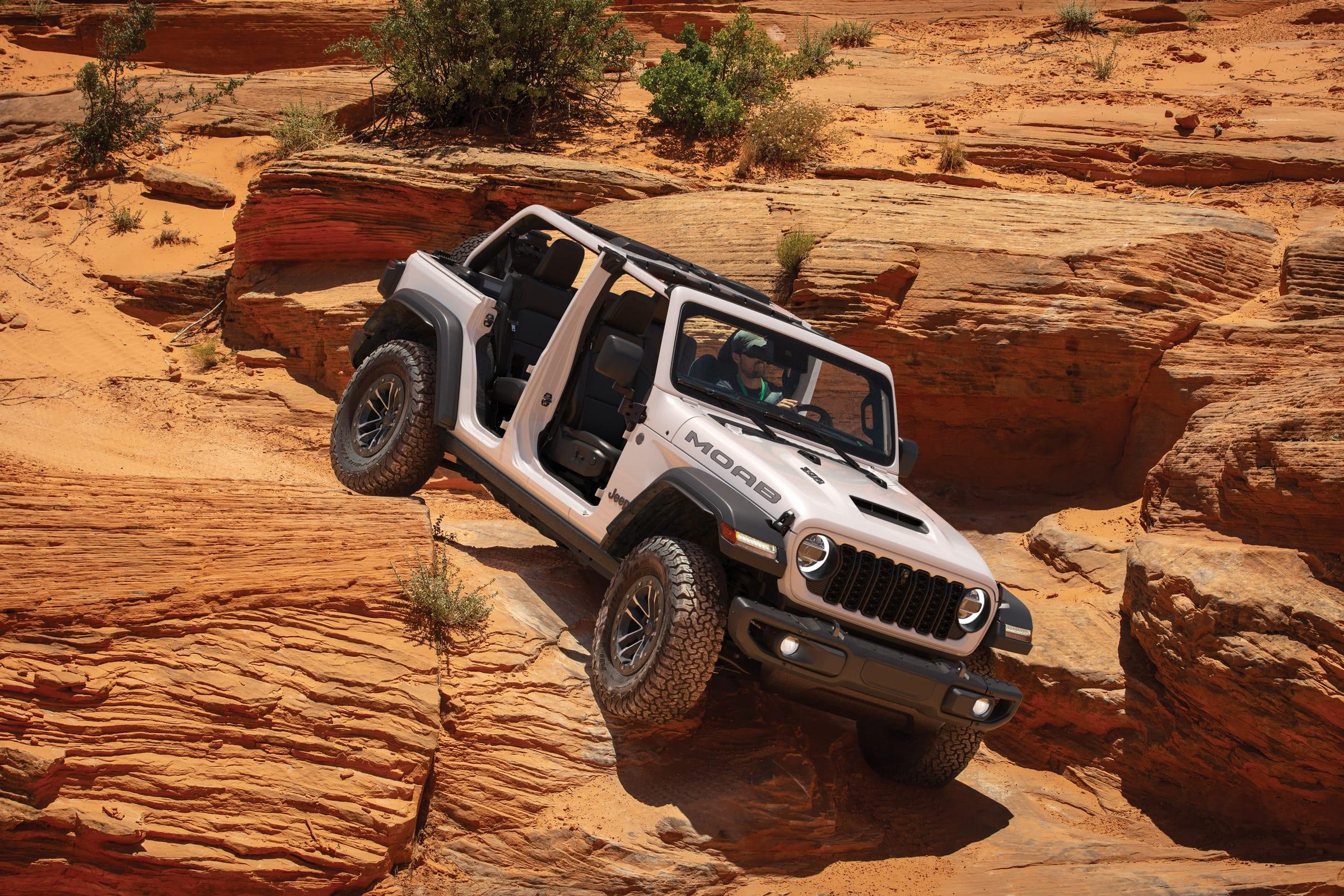
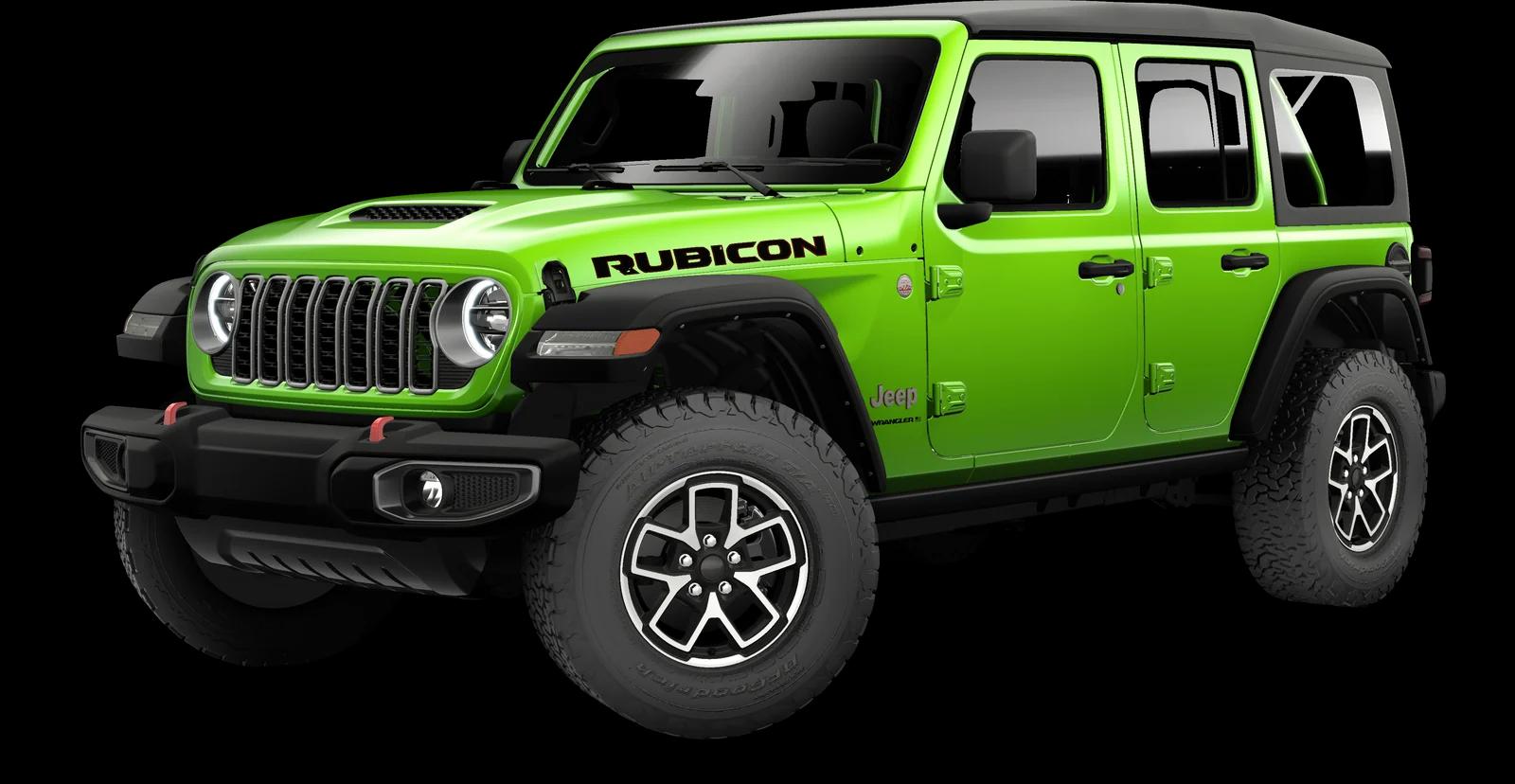
The Sedona and Flagstaff trail network is where the Jeep Wrangler earns its reputation. It starts at $36,635 for the Sport two-door; a four-door Rubicon with the LT315 tire package is listed at 12.9 inches of ground clearance, and the Wrangler's water fording tops out at 34 inches. Rubicon models add 4.0:1 Rock-Trac low range and locking differentials for slow rock work.
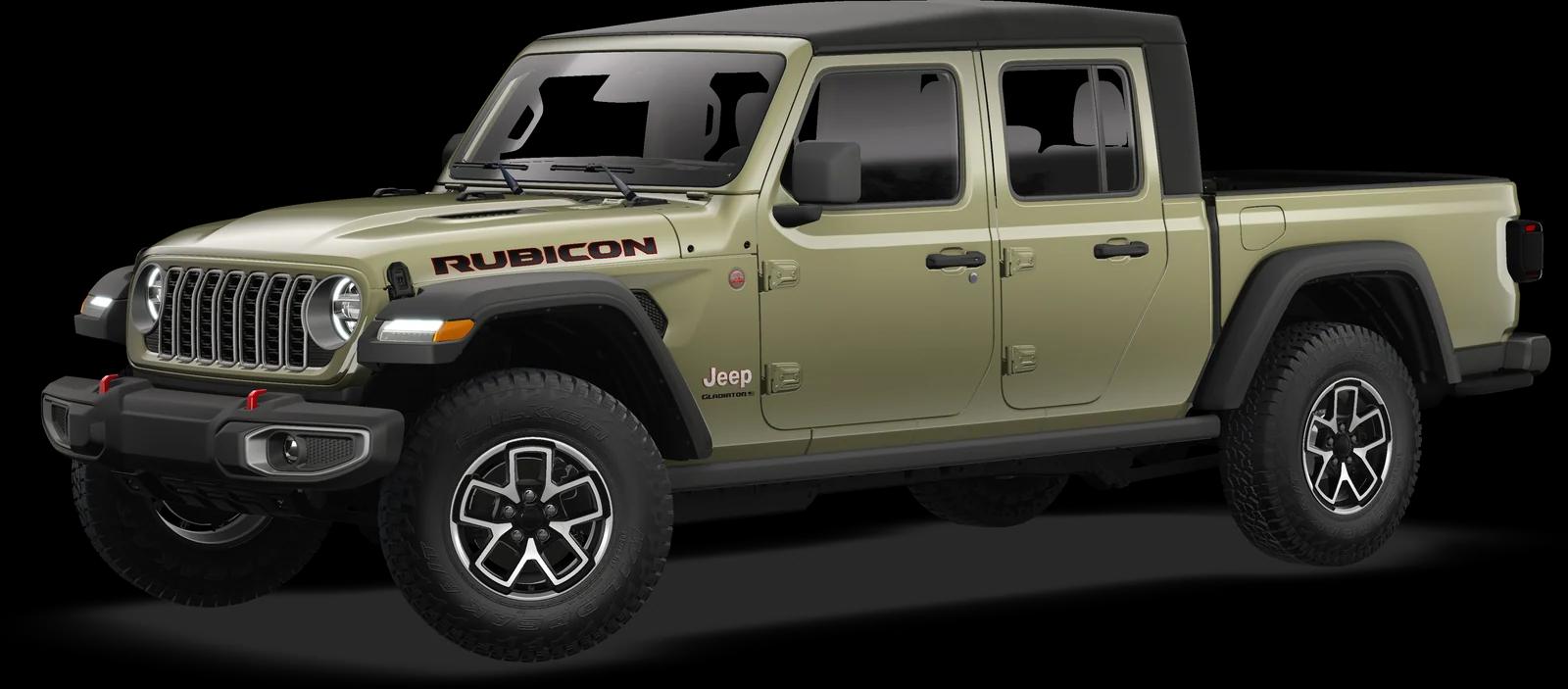
The Jeep Gladiator adds a pickup bed, with four-wheel drive standard on every trim from $43,895, and tows up to 7,700 lbs. If your trail days start with an ATV trailer, that bed and tow rating may matter more to you than extra approach angle.
Desert tracks and work trucks outside the metro
South and west of the cities, the Sonoran Desert is crossed by dirt roads, utility easements and BLM tracks that are popular with UTV and dirt-bike owners and just as often used by ranchers, contractors and survey crews. Sand, washboard and loose rock punish suspension, so underbody protection and tire choice count.
The Ram 1500 starts at $42,575 for the Tradesman, with four-wheel drive offered across much of the range. For a business that moves equipment, the Ram 2500 raises payload to as much as 4,580 lbs with the optional $835 Payload Upgrade Package. Rebel and Power Wagon are the off-road trims; the Power Wagon is listed with up to 14.2 inches of ground clearance with the HEMI and 13.2 inches with the new diesel.
Whatever you buy, ask the dealer about registration and inspection steps and confirm anything specific with the Arizona MVD, because requirements can differ by county and change from time to time.
Arizona buyer FAQ
Do I need four-wheel drive in the Phoenix area?
Not for pavement. Phoenix, Tucson and Mesa rarely see snow or ice, so front-wheel drive is fine for most commutes. Four-wheel drive earns its keep if you drive gravel forest roads, sand washes or winter trips to Flagstaff and the Rim. Jeep makes 4x4 standard on the Compass, Gladiator and Wrangler, so those buyers get it by default.
What is the best Jeep for Sedona and Flagstaff trails?
The Wrangler Rubicon is the most capable stock choice, with 4.0:1 low range, locking differentials and up to 12.9 inches of clearance on a four-door with the LT315 package. The Grand Cherokee Trailhawk is a gentler option, with air suspension that raises it to up to 11.4 inches, and it is far more comfortable on the freeway.
Which three-row vehicle suits Arizona heat best?
The Dodge Durango and Chrysler Pacifica both seat up to seven or more and handle heat well. Durango makes all-wheel drive standard, offers ventilated seats on certain trims, and tows up to 8,700 lbs with the Tow 'n Go package. The Pacifica gives the larger cargo area at up to 140.5 cubic feet, and its higher trims add comfort features. Check each trim sheet.
How do I register a new vehicle in Arizona?
Your dealer normally handles the paperwork at purchase, and the Arizona Motor Vehicle Division (MVD) is the authority for plates, titles and inspection questions. Requirements can change, so confirm current steps on the MVD website or by asking your dealer before you finalize the sale rather than relying on a third-party guide.
More West guides