West guides · AK
Alaska Buyer's Guide: Extreme Cold, Gravel Highways and Vehicles Shipped North
Alaska tests vehicles in ways the Lower 48 rarely does: deep cold in Fairbanks, a short paved road network around Anchorage and Wasilla, gravel highways to the Arctic, and remote fuel. Vehicles also arrive by ship or ferry. Short paved mileage, deep cold and gravel decide which models make sense. Prices are starting MSRPs and change often.
Our picks for Alaska



Cold that changes everything in Fairbanks
Interior Alaska sees extreme winter cold, and starting, heating and battery health become daily concerns. Remote start, heated seats and a heated steering wheel matter more than almost any performance number, and many owners use plug-in engine or battery heaters. Ask the dealer what cold-weather equipment is offered and what the warranty covers.
Cold shortens EV range and slows charging, so electric vehicles require a more careful plan. The Wagoneer S lists up to 294 miles of range under EPA testing and the Charger Daytona up to 267, but real winter numbers will be lower.
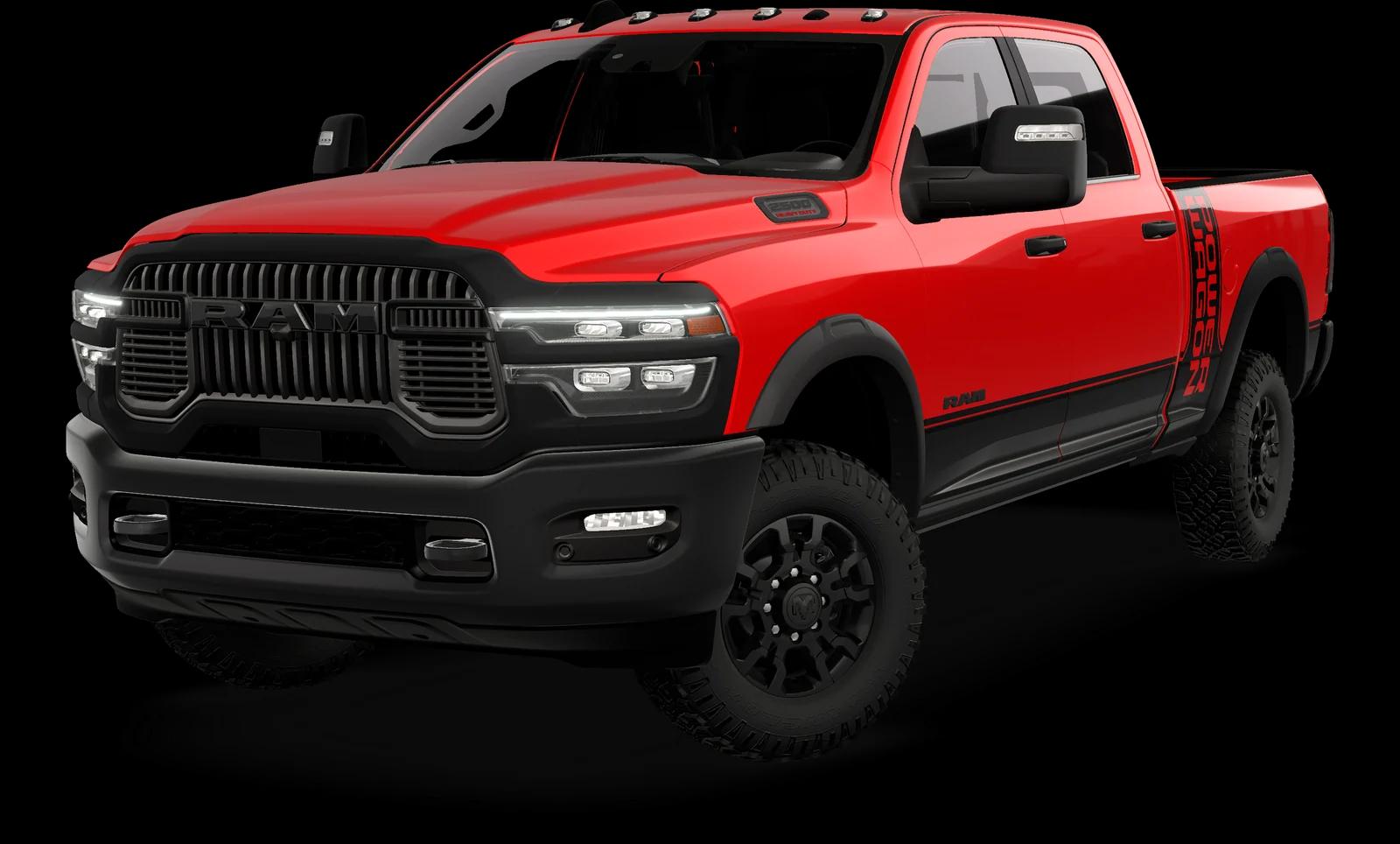
Gas and diesel vehicles hold up well with proper preparation. The Ram 2500 and 3500 offer the 6.7-liter Cummins, rated at 430 hp and 1,075 lb-ft. Diesel owners should ask about winter fuel and cold-start accessories. Idling to warm up is common, so ask about remote-start features and fuel use at idle.
Anchorage, Wasilla and the short road system
Most Alaskans live in a small cluster of road-connected towns around Anchorage and the Mat-Su Valley. Daily driving includes the Glenn and Seward highways, with winter ice, moose and heavy weekend traffic. Juneau is not connected to the rest of the road system, and its driving is local.
All-wheel or four-wheel drive plus winter tires are standard practice. The Dodge Durango, from $43,875, makes AWD standard. The Grand Cherokee, from $39,730, offers 4x4, and the Compass, from $29,990, has 4x4 on every trim. The Cherokee hybrid, from $35,130, lists up to 37 mpg combined by Jeep's estimate.
Moose collisions are a serious risk, so slow down at night and in twilight. Check Alaska 511 for road conditions before travel. Winter daylight is short in the far north, which makes headlights, wipers and a clean windshield even more important. Studded or winter-rated tires are common, and a block heater or battery warmer is worth asking about.
Gravel highways: Dalton, Denali and McCarthy
Alaska's famous roads are not all paved. The Dalton Highway to the Arctic, the Denali Highway and the road to McCarthy are gravel, with rocks, washboard and stretches without fuel or services. Windshield chips and flat tires are normal, and rental agreements often restrict these roads.
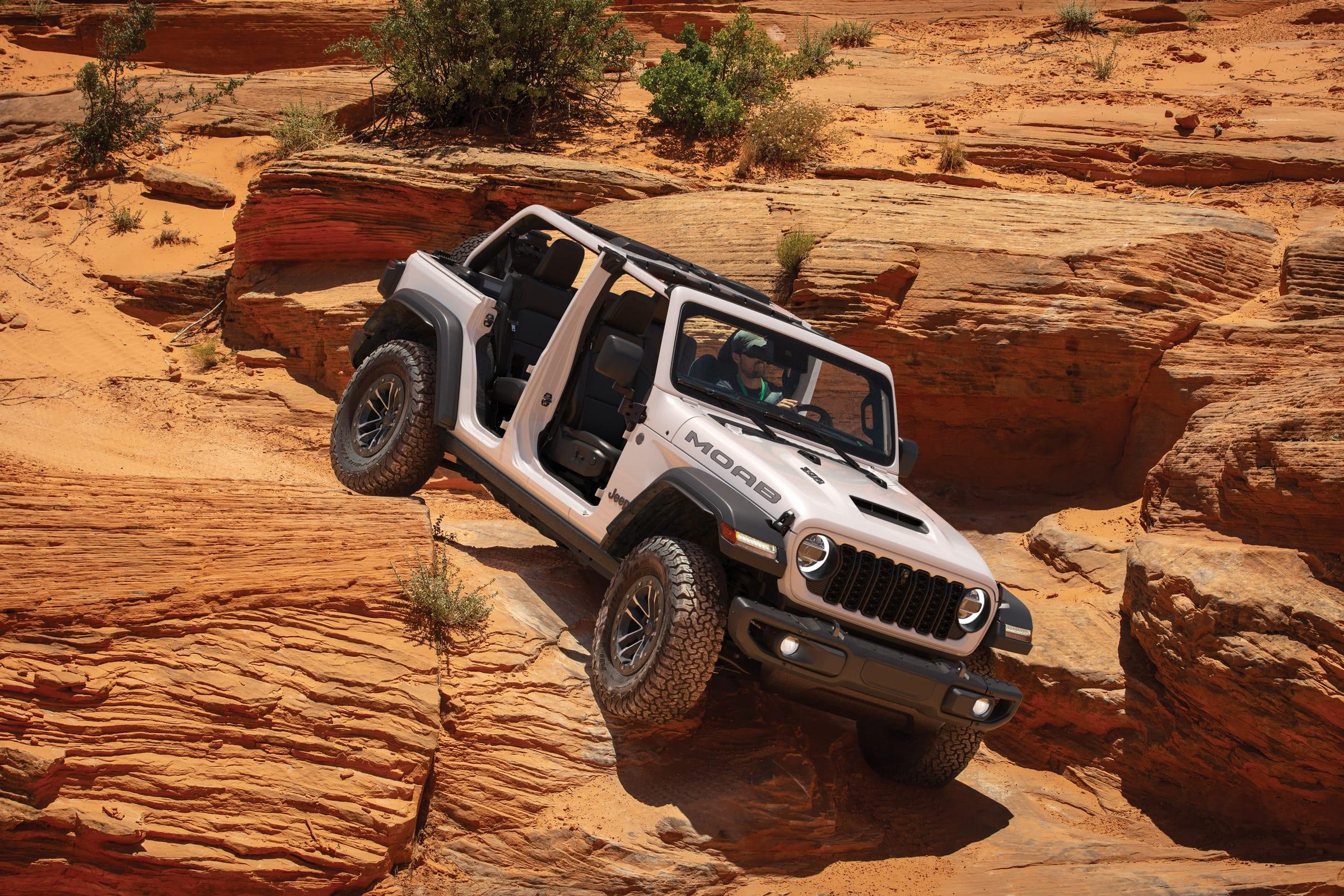
Carry two spare tires if you can, plus a compressor, recovery gear and extra fuel and water. The Jeep Wrangler, from $36,635, lists up to 12.9 inches of clearance on a four-door Rubicon with LT315 tires. The Gladiator, from $43,895, tows up to 7,700 lbs. The Ram 2500 Power Wagon is listed at up to 14.2 inches with the HEMI.
Tell someone your route, and carry a satellite messenger. Cell service disappears quickly outside the road hubs. Dust from passing trucks can blind you on the Dalton, so slow down and give oncoming traffic room. Rock chips are routine, and a windshield protection film is worth a conversation with your dealer.
Shipping, supply and buying north
New vehicles reach Alaska by barge, ship or highway through Canada, so inventory can be thinner than in the Lower 48, and delivery timing matters. This guide does not quote shipping charges. Ask your dealer for an itemized, written price, including freight, and when the vehicle should arrive.
Because choice is limited, flexibility on trim and color helps, and ordering ahead can be smart for a specific configuration. Remote communities may rely on air, barge or ferry freight, which adds time.
Fuel can be scarce and expensive in remote areas, so plan stops. The Voyager holds 19 gallons and is rated 28 mpg highway, roughly 530 miles by a rough estimate, though cold, wind and load reduce that. Confirm registration steps with the Alaska DMV, since requirements change. It also pays to check the inventory of a nearby dealer and ask about parts and service availability.
Alaska buyer FAQ
Are EVs practical in Alaska?
In Anchorage and Wasilla with home charging, they can be, but extreme cold lowers range and slows charging. In Fairbanks and remote areas, the challenge is greater. The Wagoneer S lists up to 294 miles under EPA testing, so plan generous margin for winter. Home charging in a heated garage helps considerably.
What features matter most for Alaska winters?
Remote start, heated seats, a heated steering wheel, and good winter tires matter most, along with a healthy battery. Four-wheel or all-wheel drive helps traction, but tires and cautious driving do more. Ask the dealer about cold-weather packages and engine heaters. Fuel and plug-in heaters can help too. Keep the fuel tank fuller in winter.
Which vehicle suits Alaska's gravel highways?
The Wrangler Rubicon, up to 12.9 inches of clearance, and the Ram 2500 Power Wagon, up to 14.2 inches with the HEMI, are strong picks. The Gladiator adds a bed and tows up to 7,700 lbs. Carry spare tires, since gravel punishes sidewalls. A satellite messenger is wise for remote trips.
How are vehicles delivered and registered in Alaska?
New vehicles typically arrive by ship, barge or highway, so ask your dealer for the arrival timeline and an itemized price. Registration is handled by the Alaska DMV, so confirm current steps there rather than relying on a third-party summary. Expect limited stock, so be flexible on color and trim.
More West guides